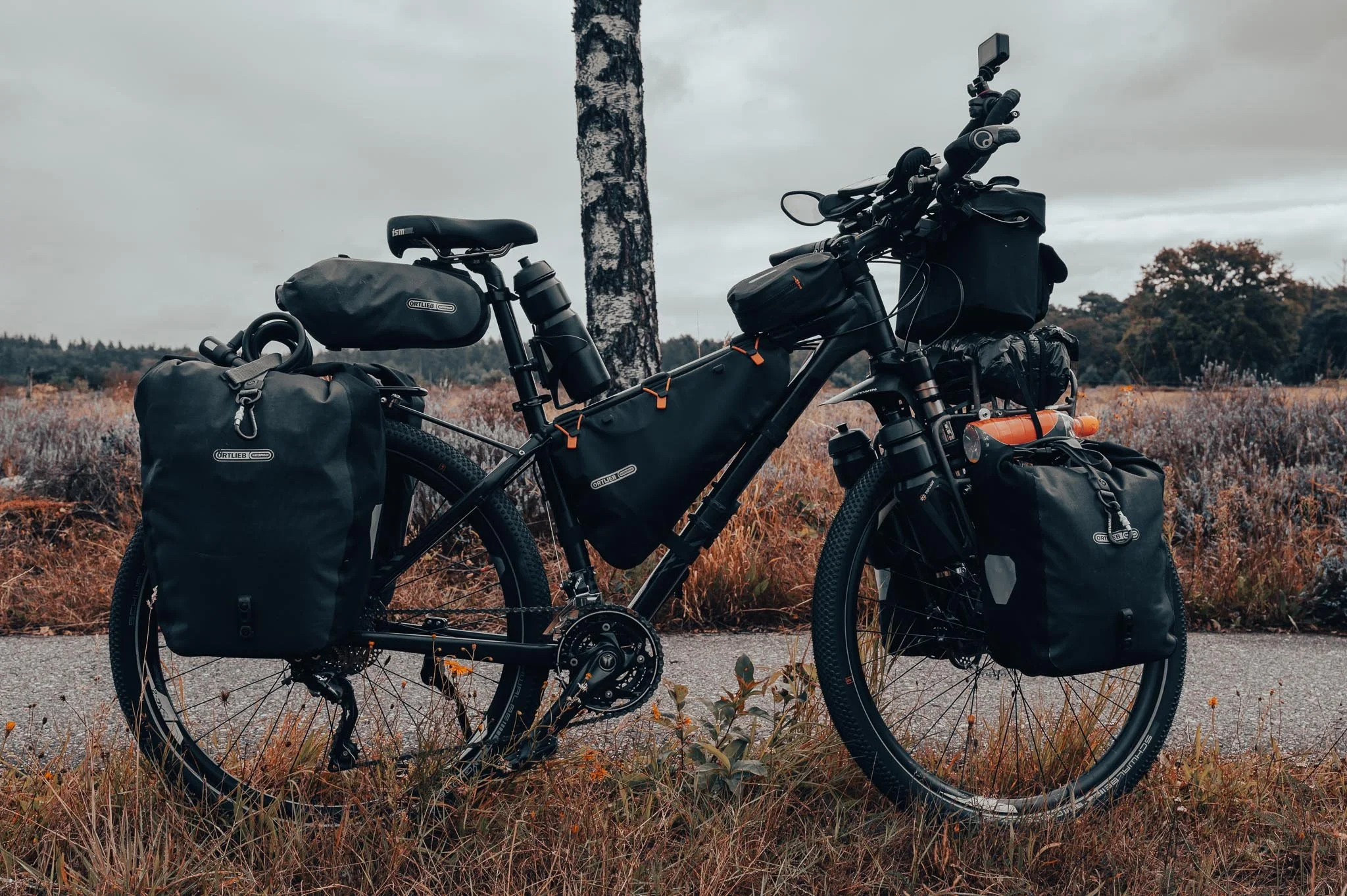
GIANTDETOUR EU
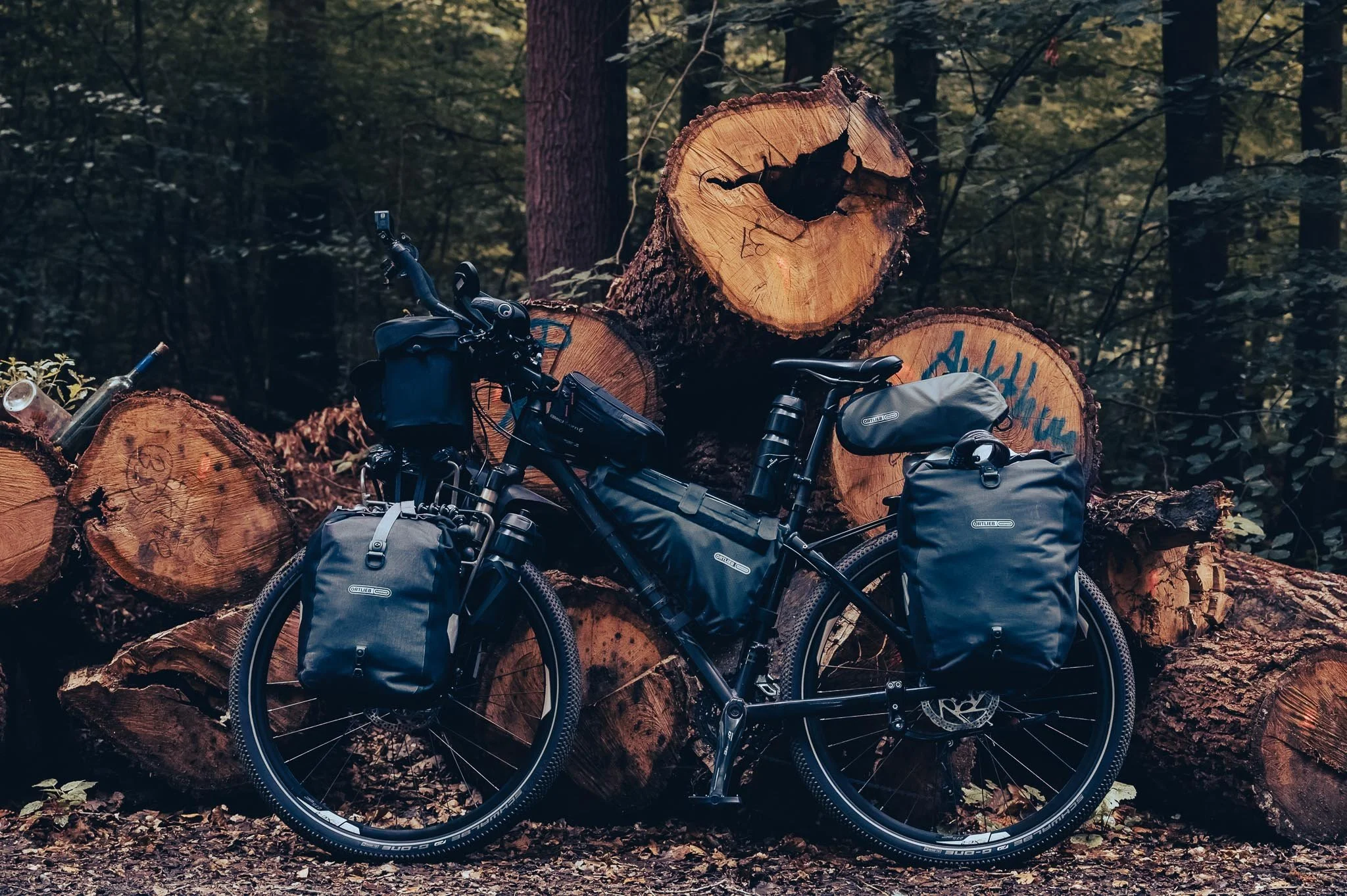
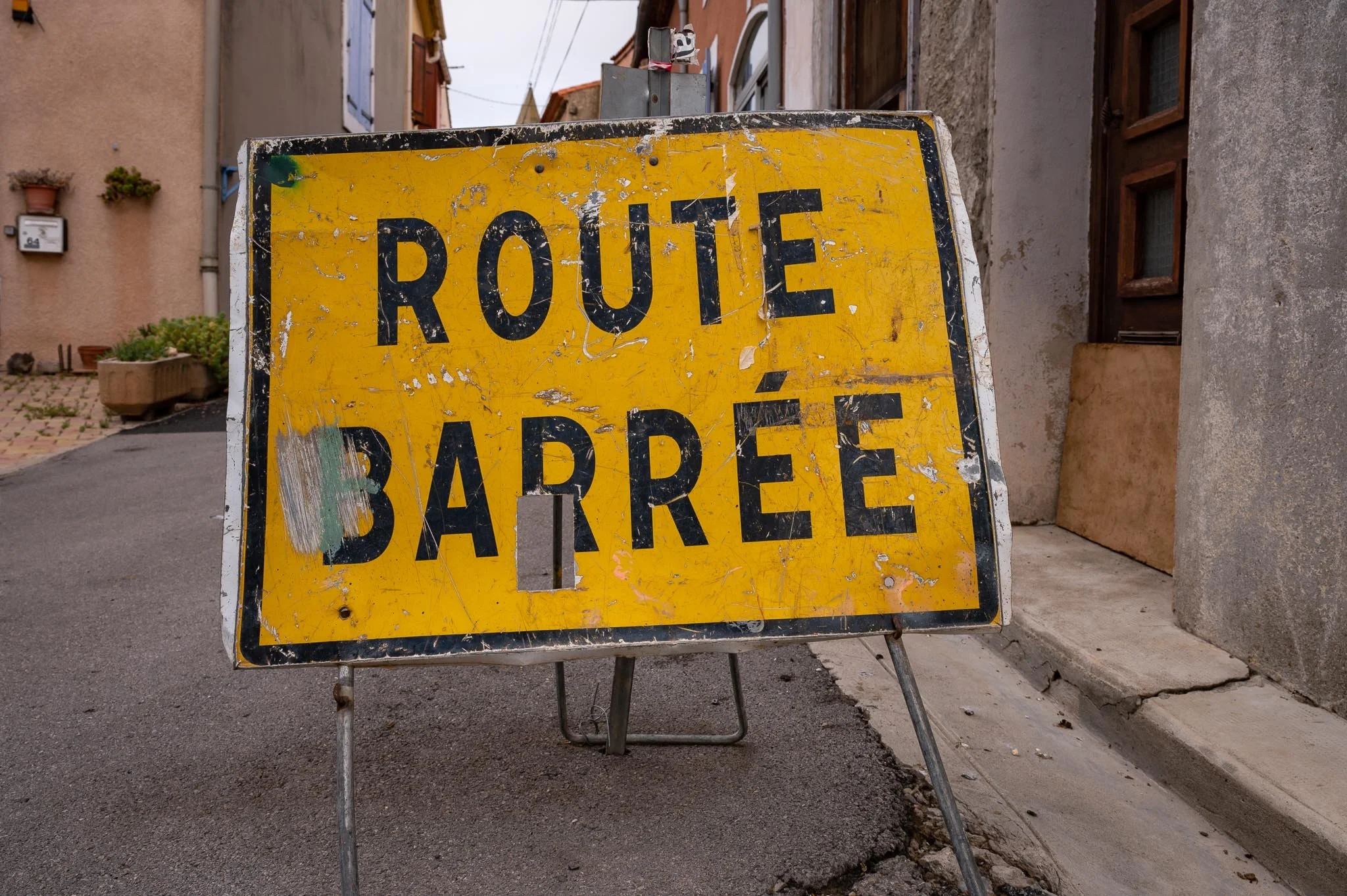
Between July 12 and 15, 2021, severe floods devastated parts of the Netherlands, western Germany, Belgium, and Luxembourg. The heavy rains caused massive disruptions, and unfortunately, my planned route to the South of Europe was no exception. What was supposed to be the beginning of GiantDetour EU suddenly turned into a logistical challenge.
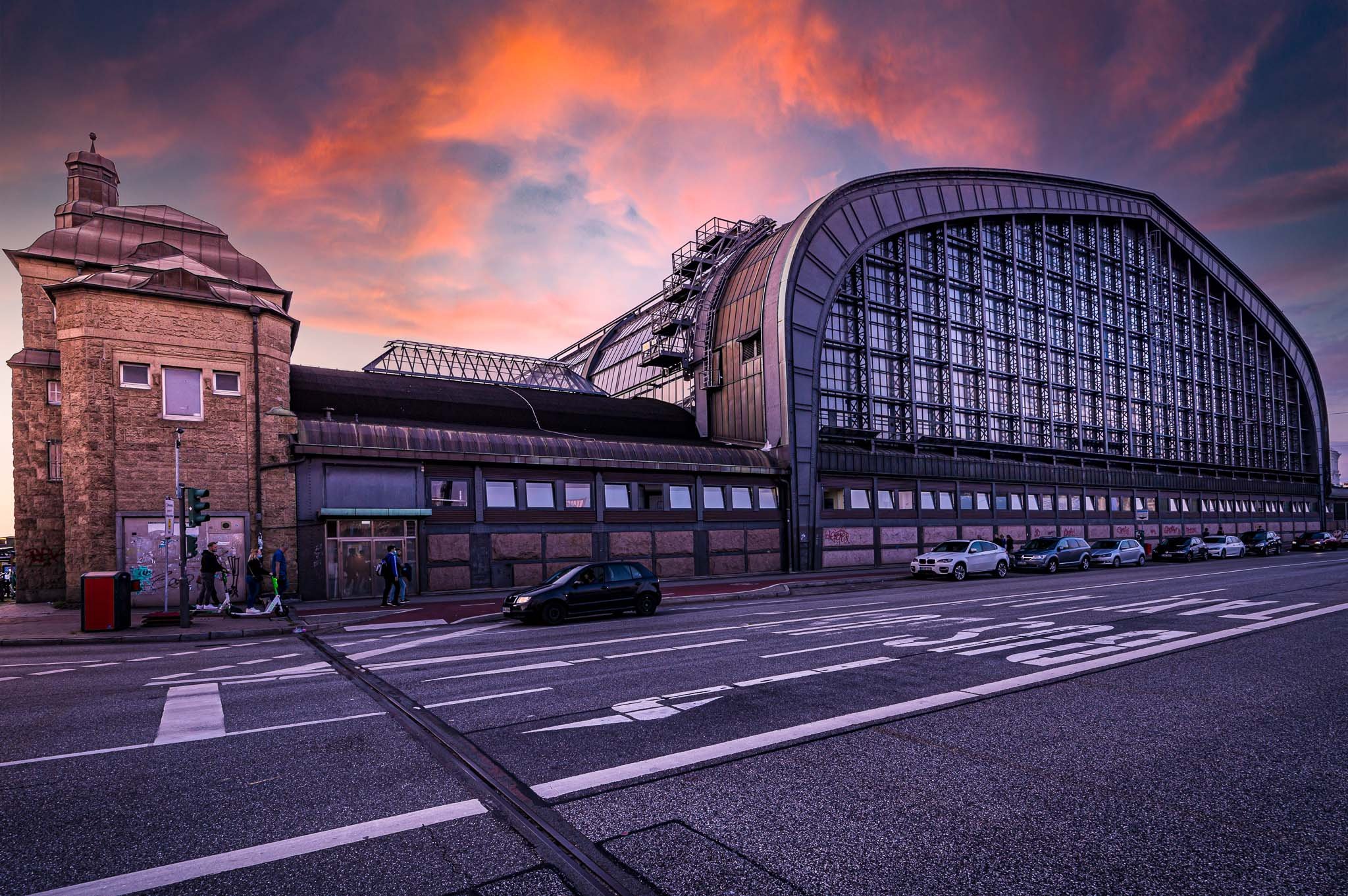
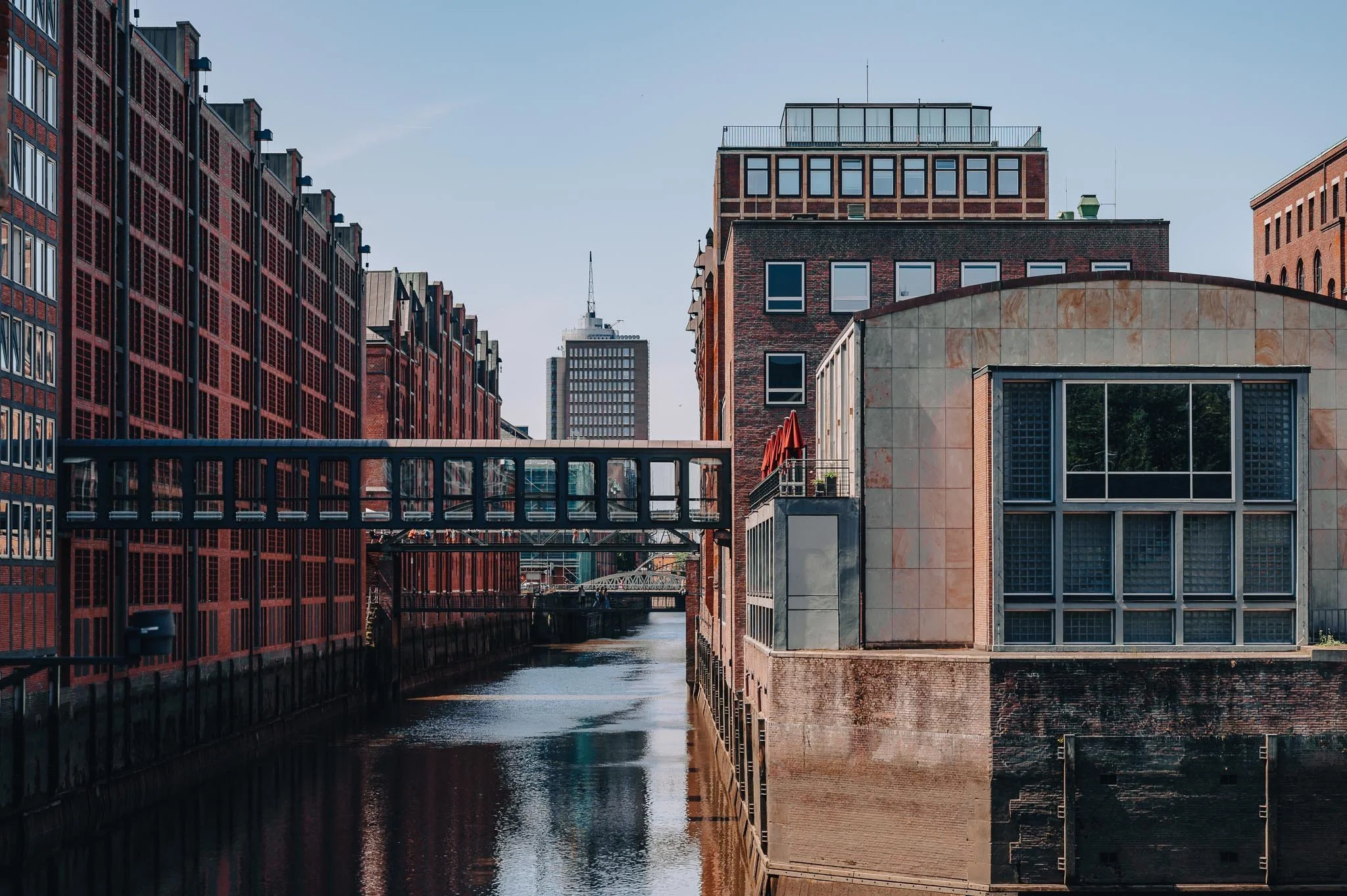
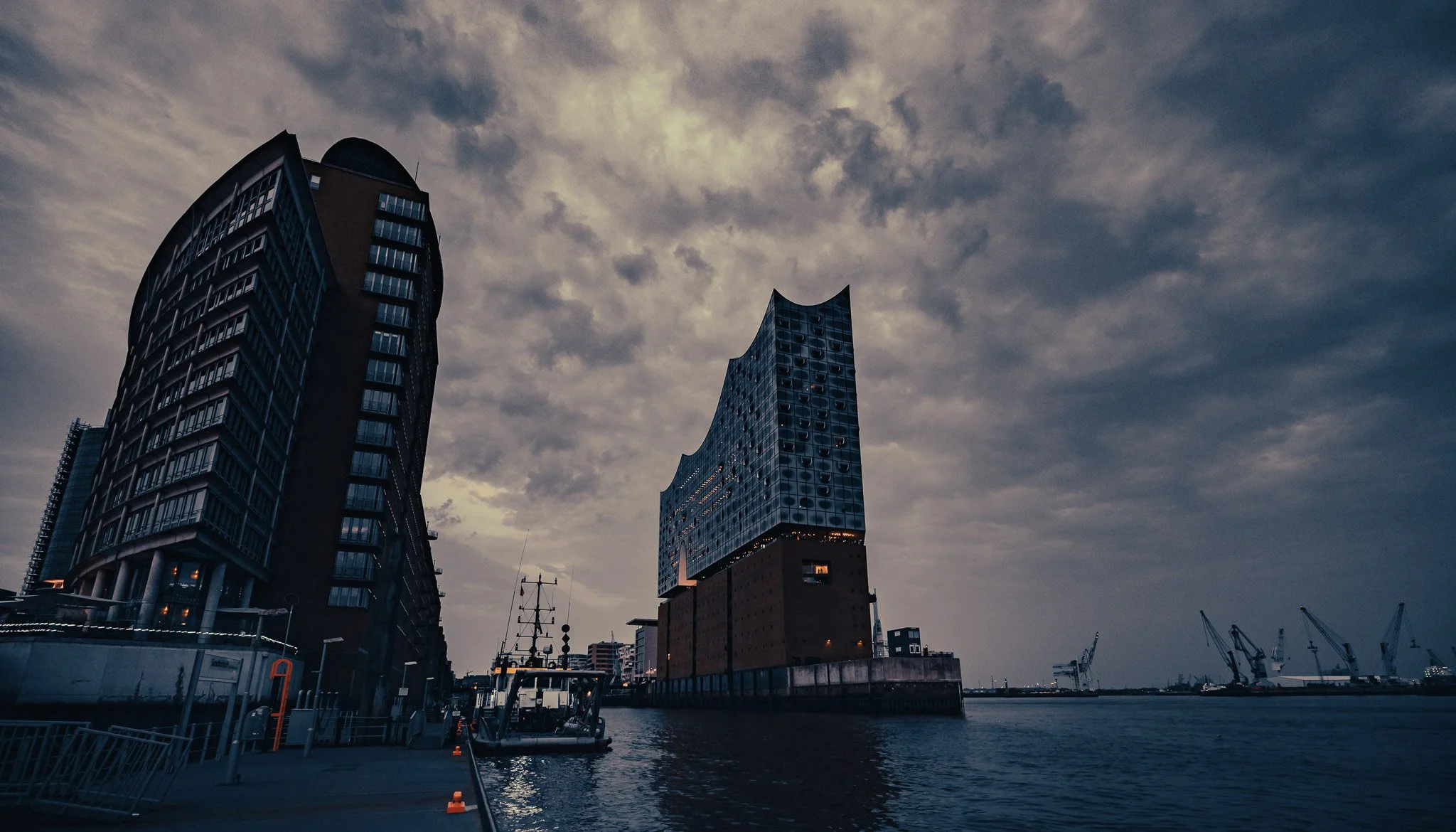
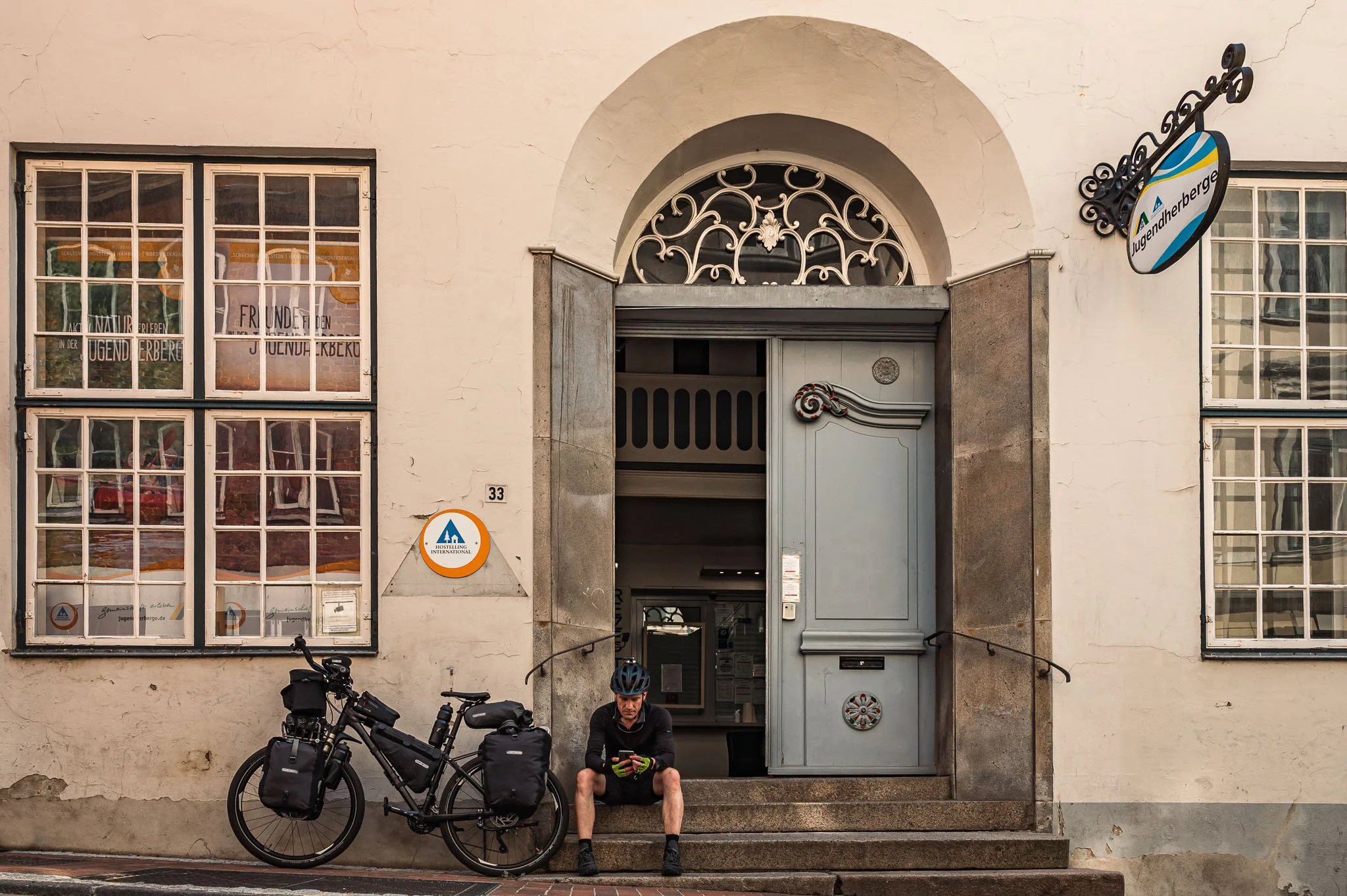
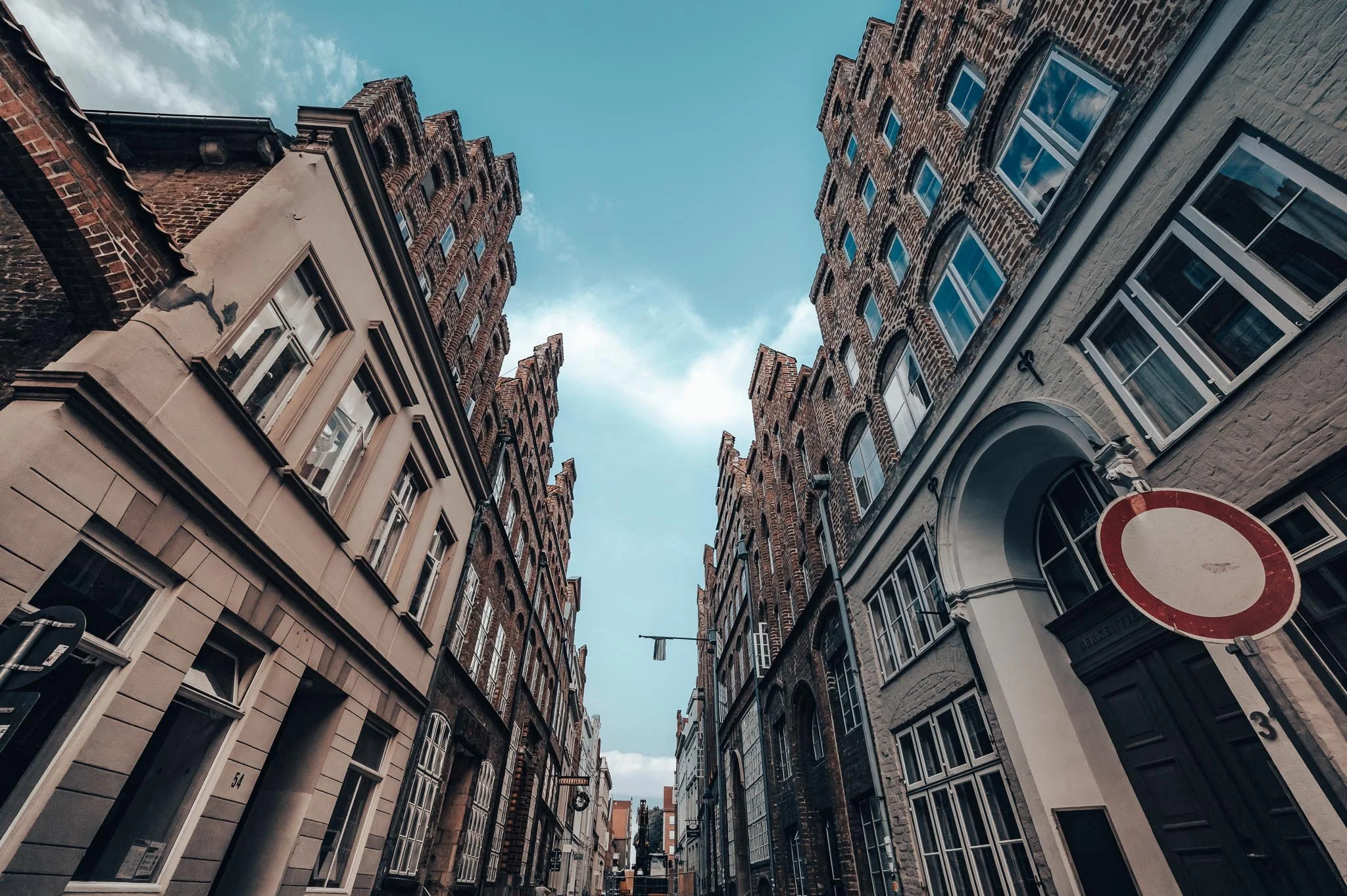
With my preferred path closed off, I had to rethink everything. After some quick deliberation, I decided to reschedule my departure and draft a completely new route. Instead of heading South as originally planned, I turned my compass Northeast. My new plan? Follow parts of the North Sea Cycling Route, passing through Osnabrück, Bremen, Hamburg, and Lübeck towards Berlin.
I kept my plans flexible, knowing fully well that both the weather and Covid-19 restrictions were unpredictable. This approach allowed me the freedom to adjust as I went along - a small silver lining to an otherwise frustrating situation. Luckily, being ‘vollständig geimpft’ (fully vaccinated), Germany’s borders were open to me, and I could at least begin this unanticipated detour without any major issues.
What started slightly unsettling soon began to feel like an exciting new adventure.
Germany
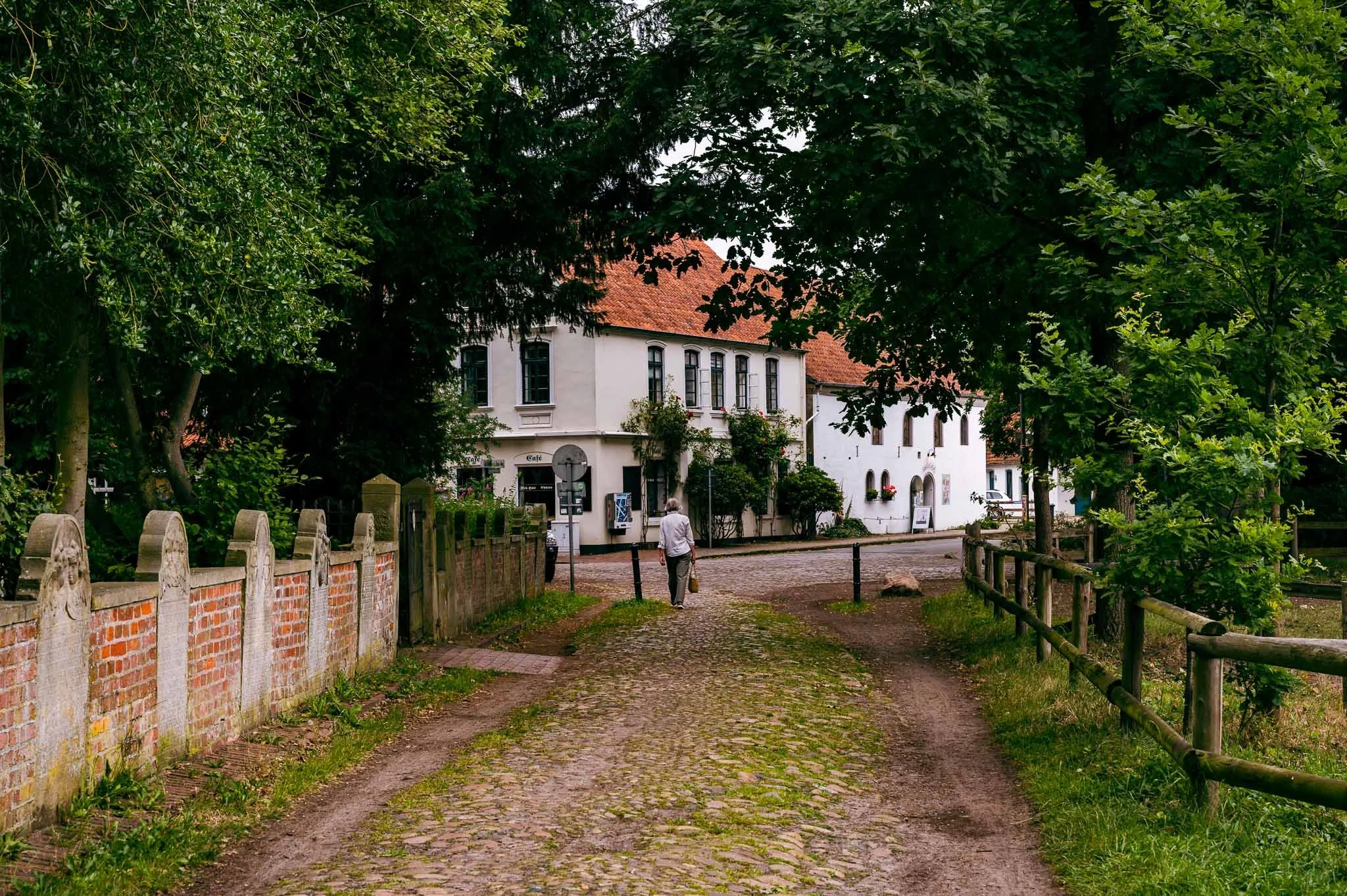
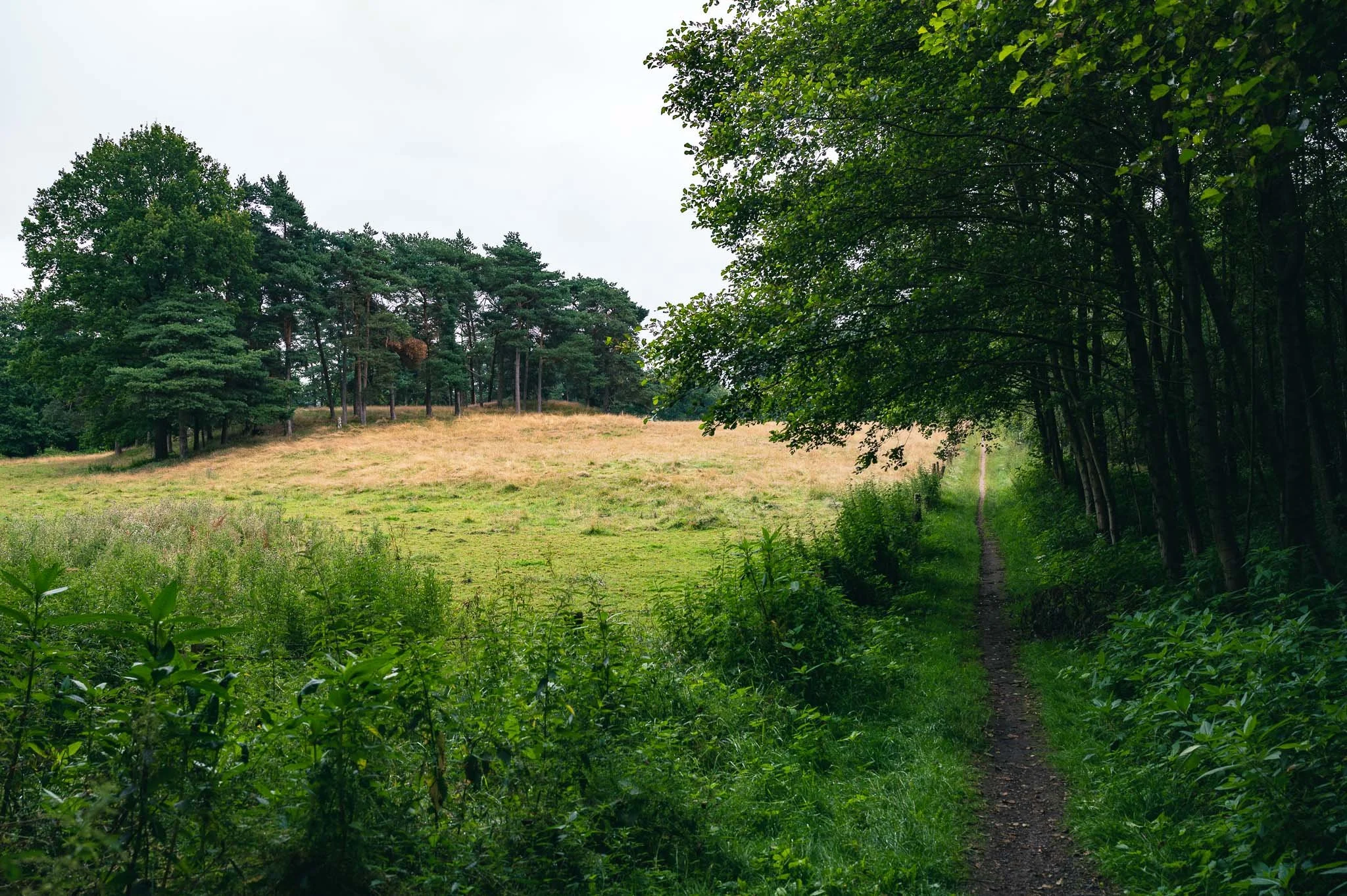
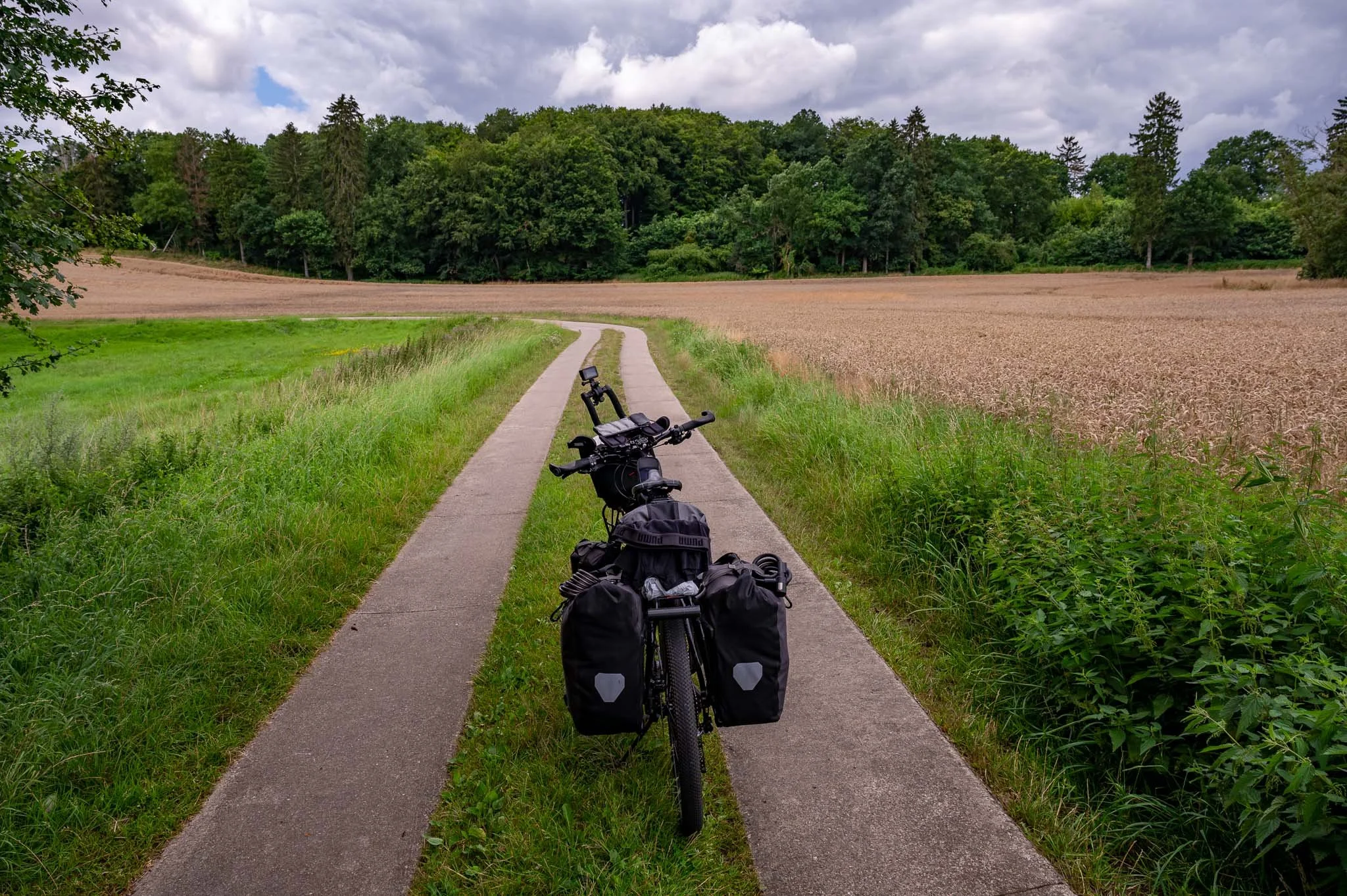
On July 18th, 2021, I left home and began my journey up to the Baltic Sea, following the coastline from Travemünde to Rostock. The weather was spectacular, but it came with a challenge: coastal campsites were fully booked by German families who had chosen to vacation safely within the country that year. By the time I reached Rostock, I had my fill of beaches and decided to switch things up, following the Berlin-Copenhagen Cycle Path (EuroVelo 7) southward to Germany’s capital city. The route took me through the stunning German ‘Lake District,’ offering fantastic views and serene rides.
Czech Republic
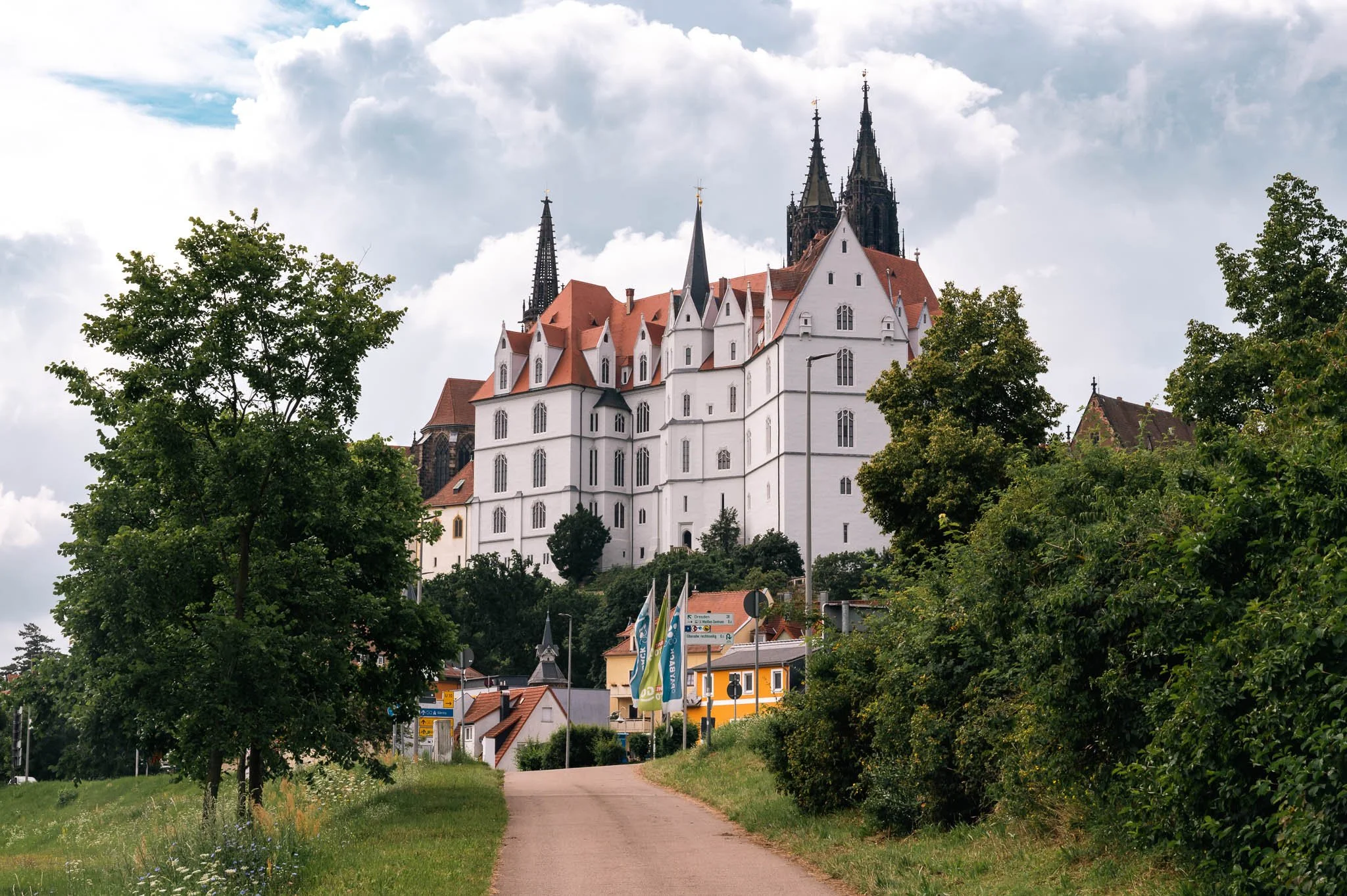
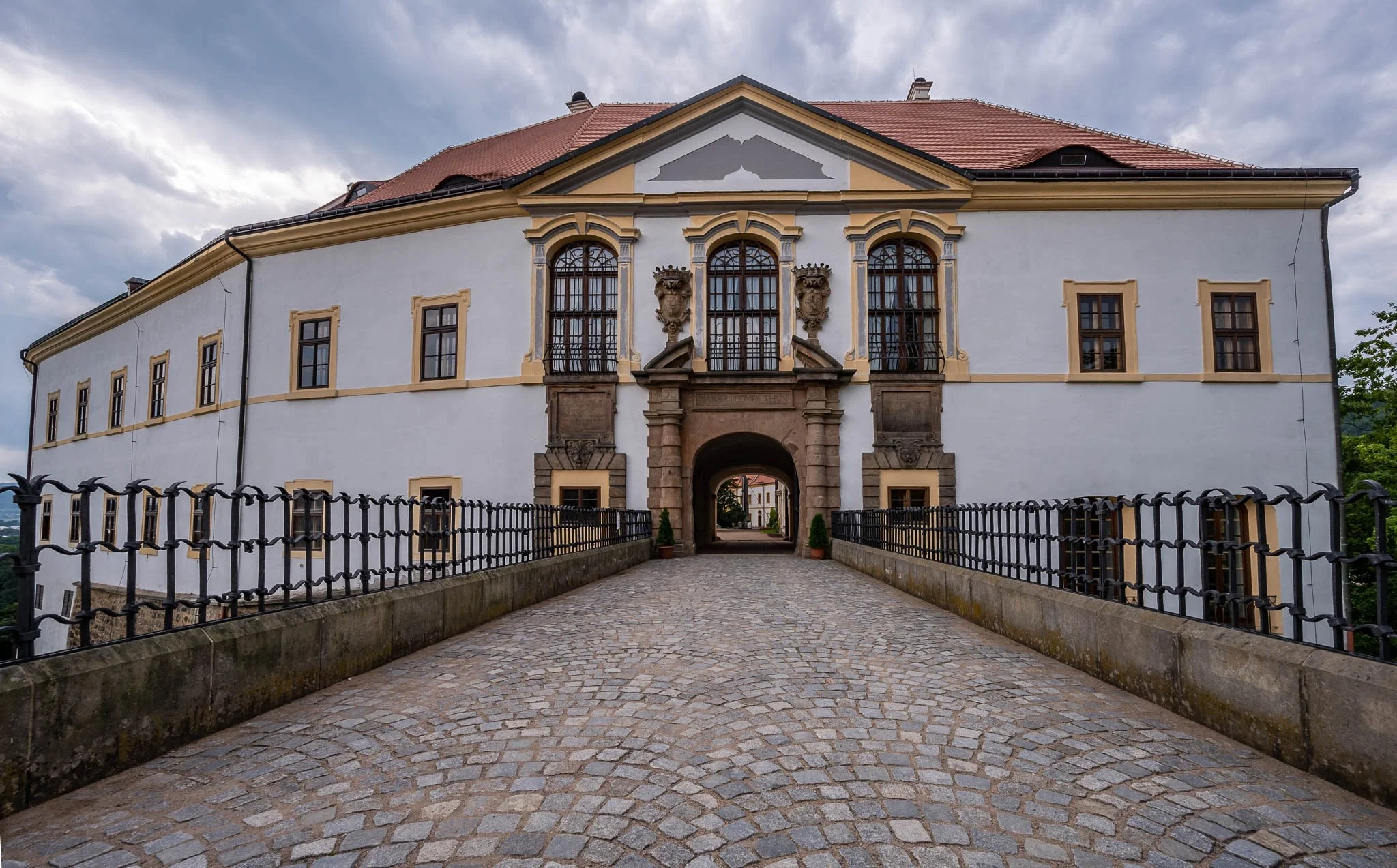
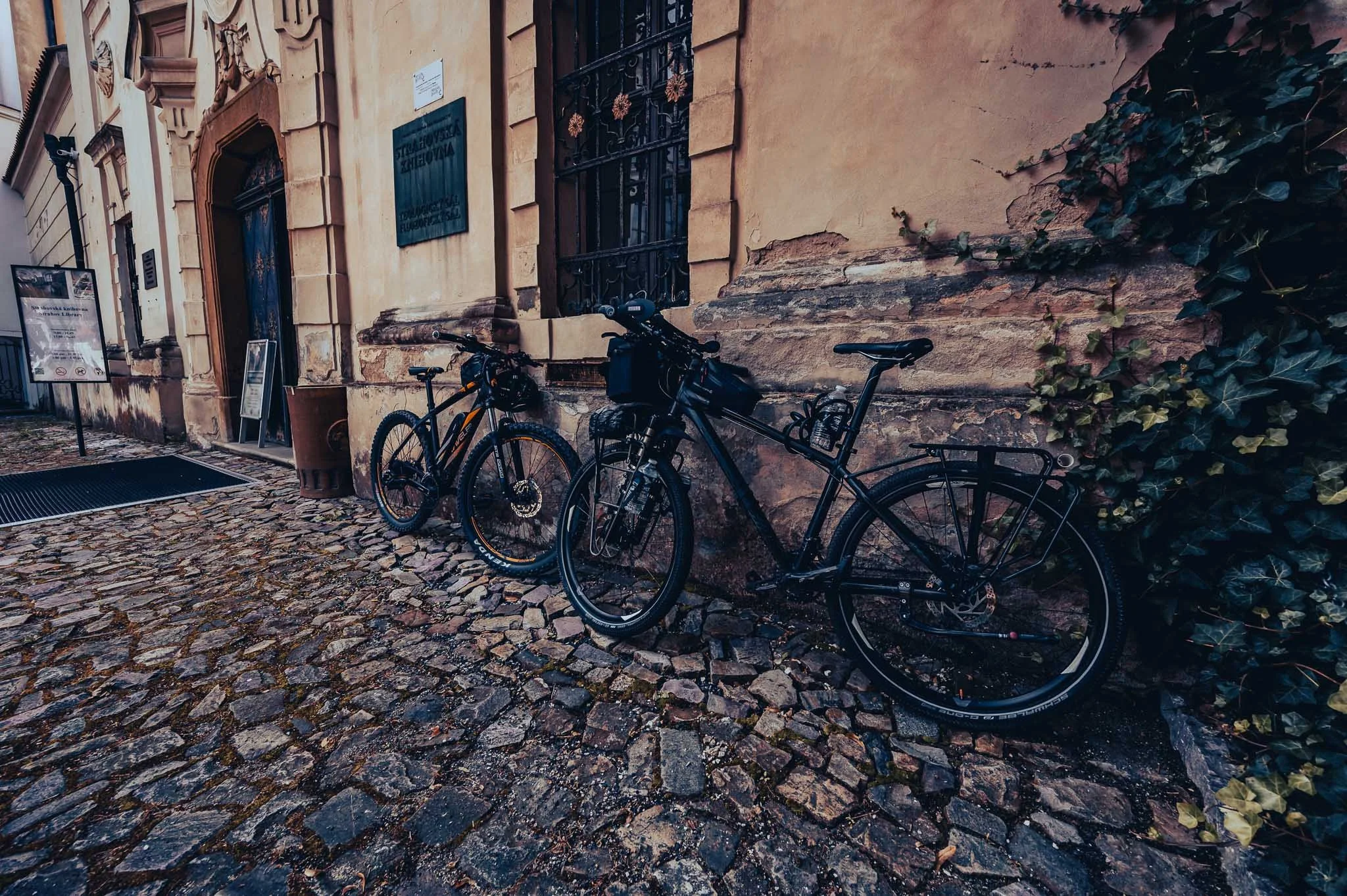
With the excellent weather holding steady, I started to toy with the idea of extending my journey southward along EuroVelo 7 toward Prague. In Dresden, Maaike joined me, and together we cycled the Elbe Radweg, wrapping up our trip with a couple of delightful days in the Czech capital. A train brought us back to Dresden, and from there, we returned home by car, bikes in tow.
Germany and Belgium
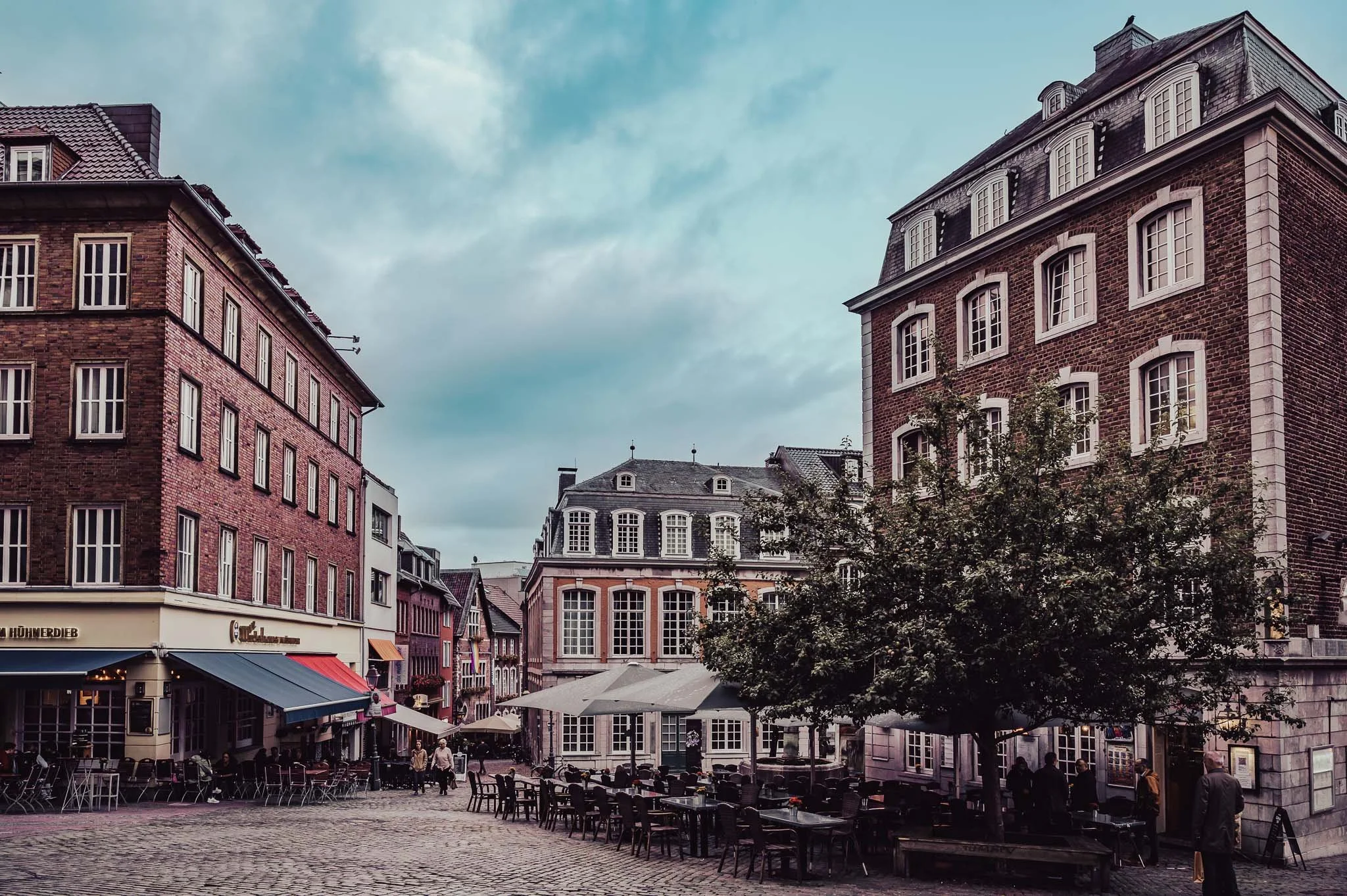
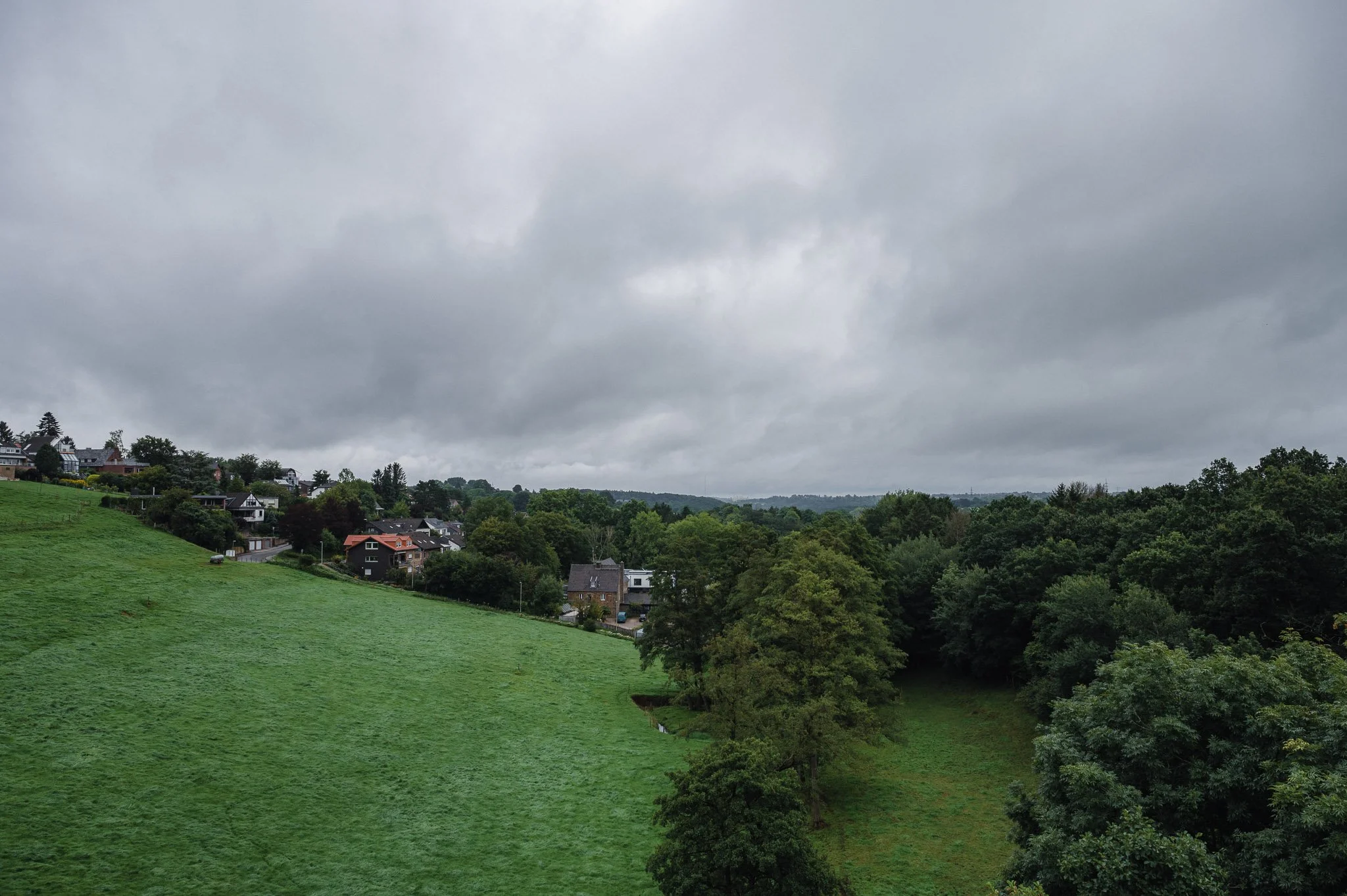
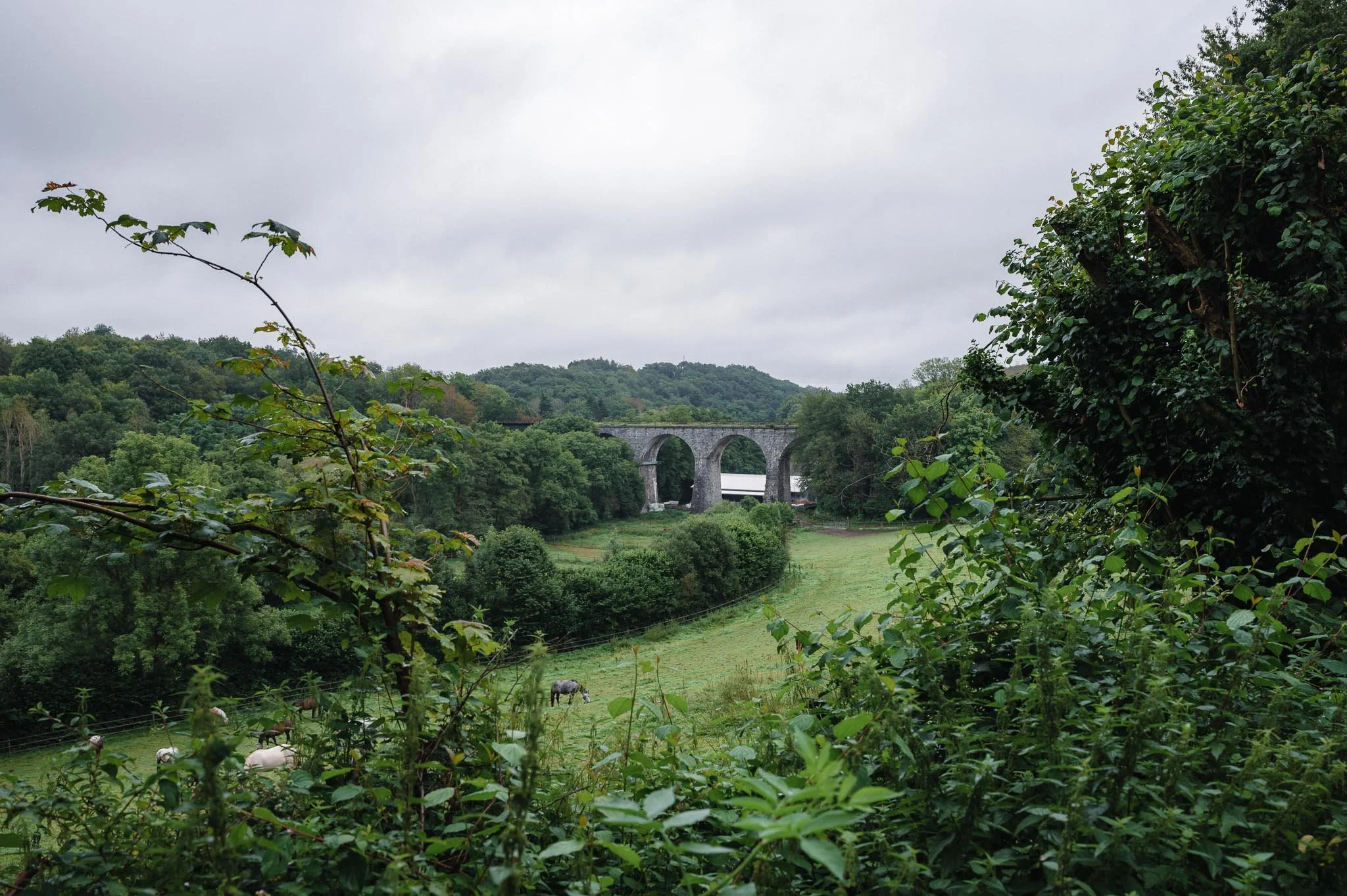
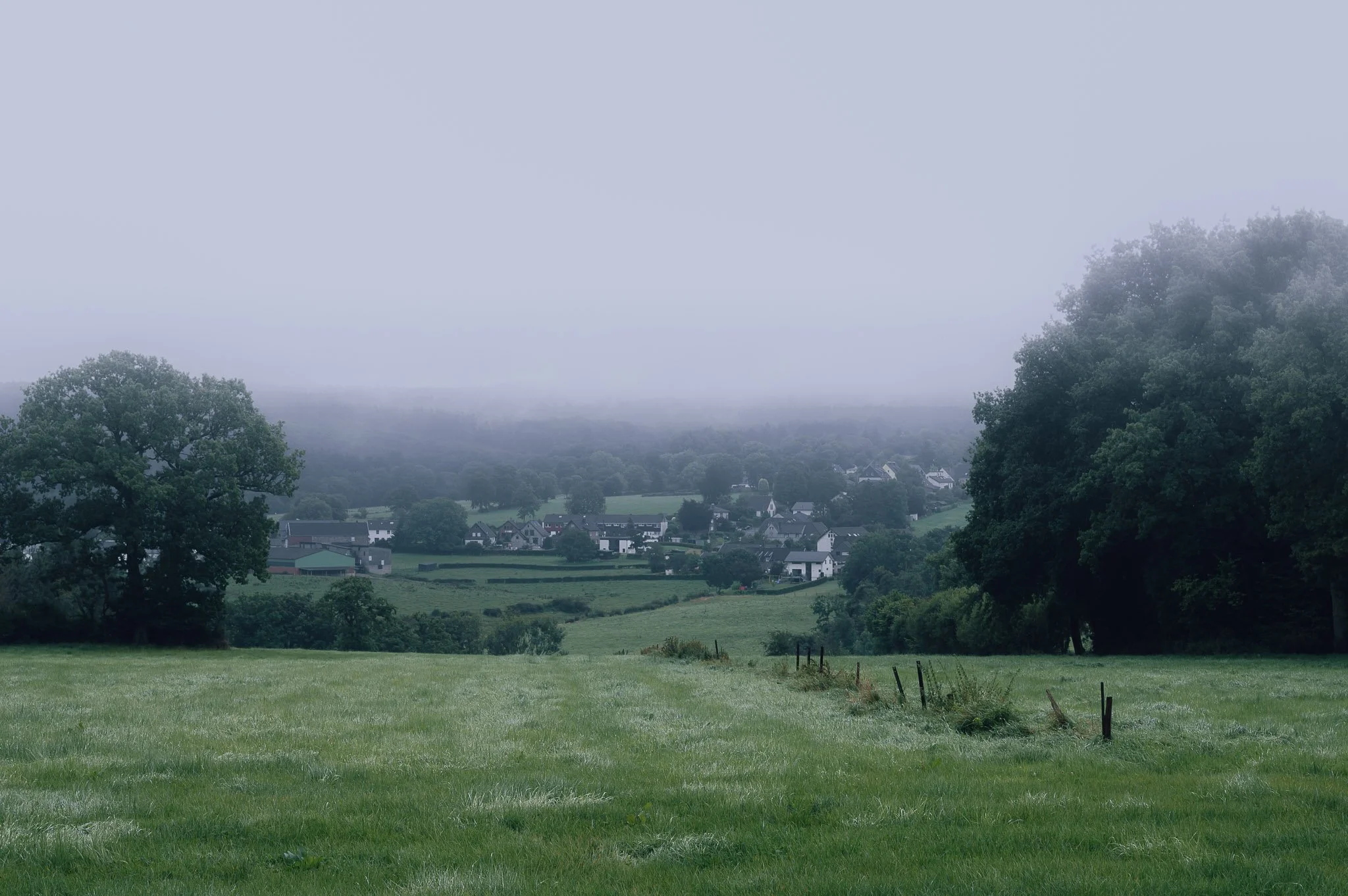
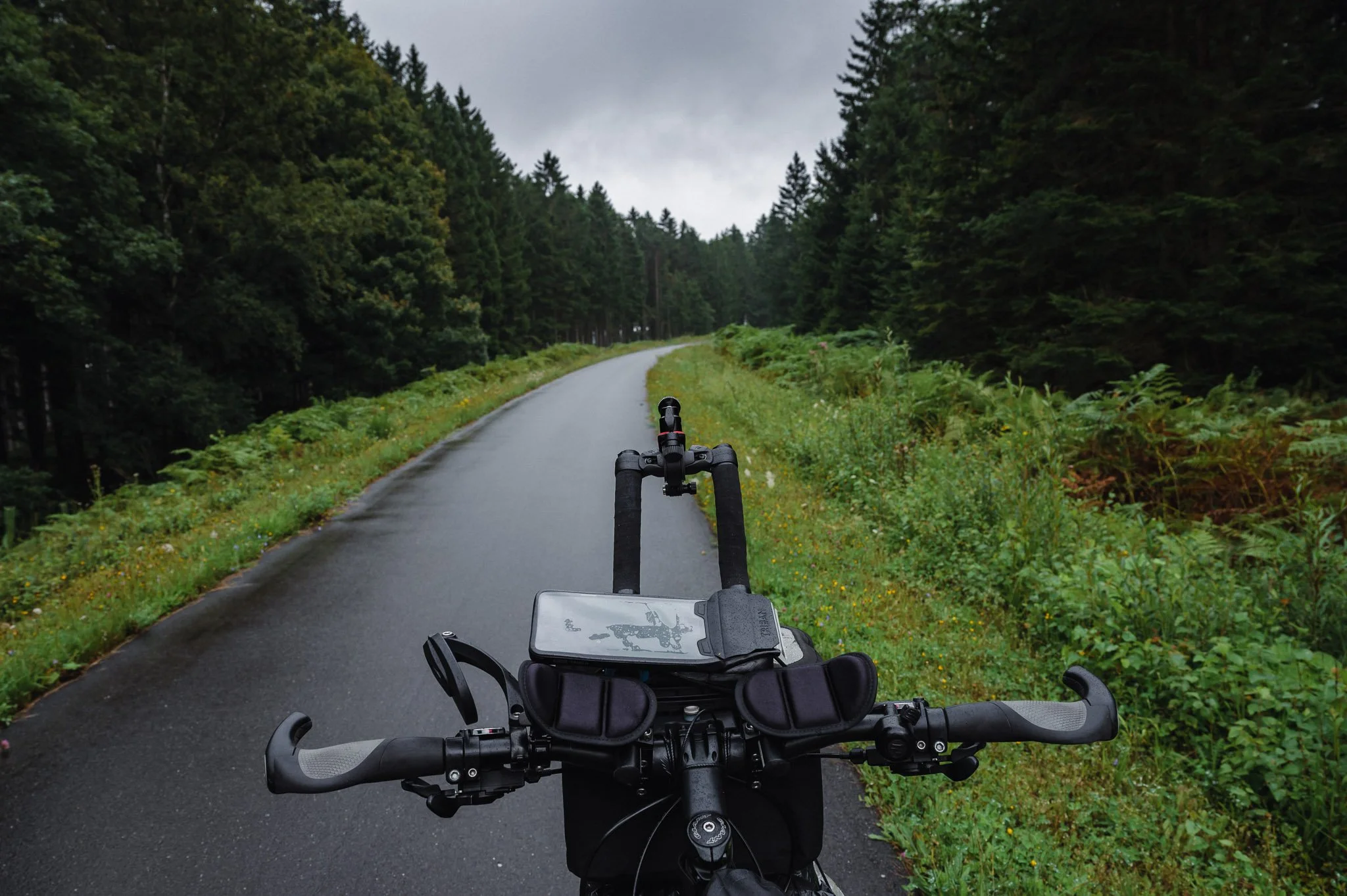
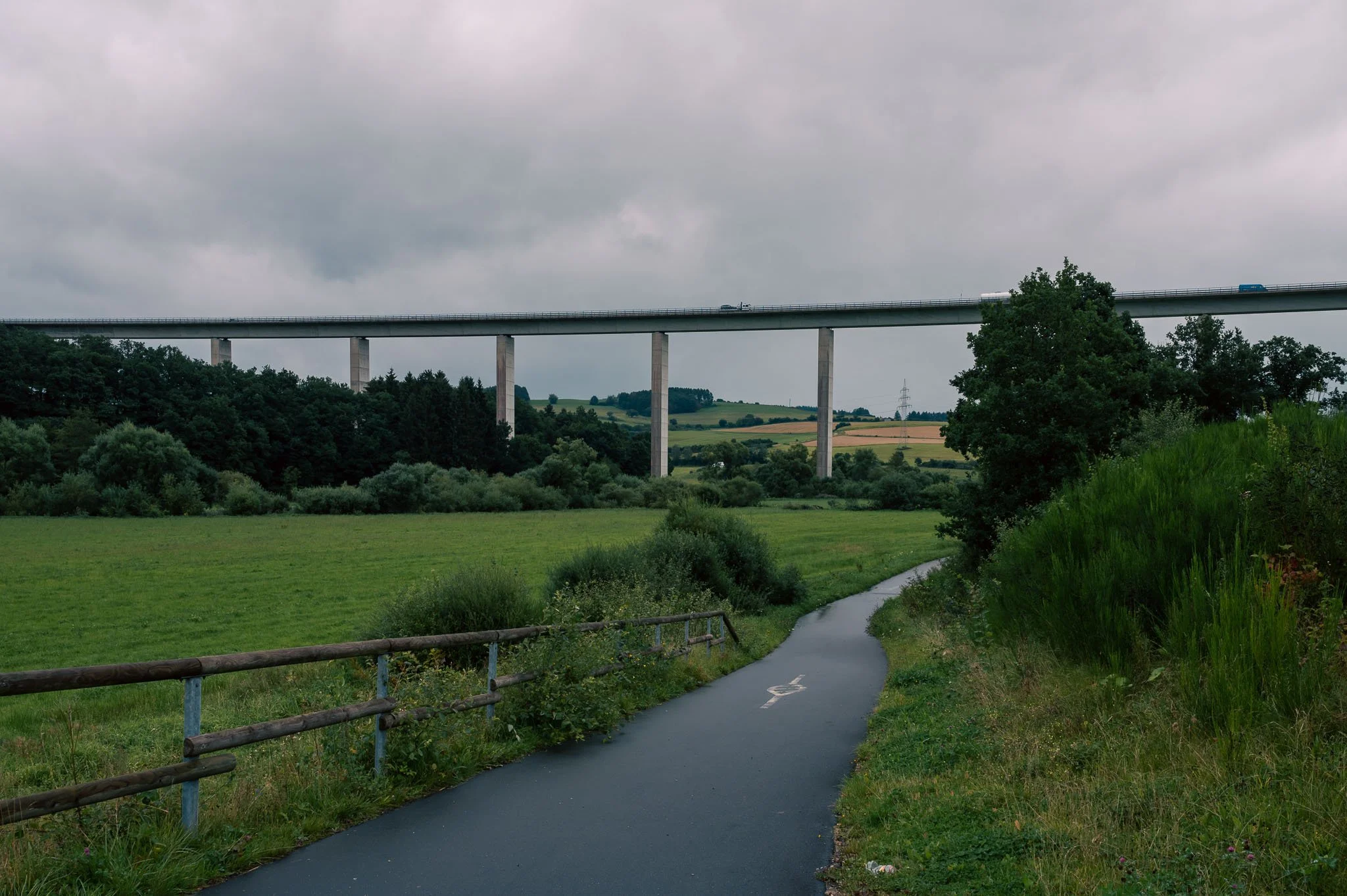
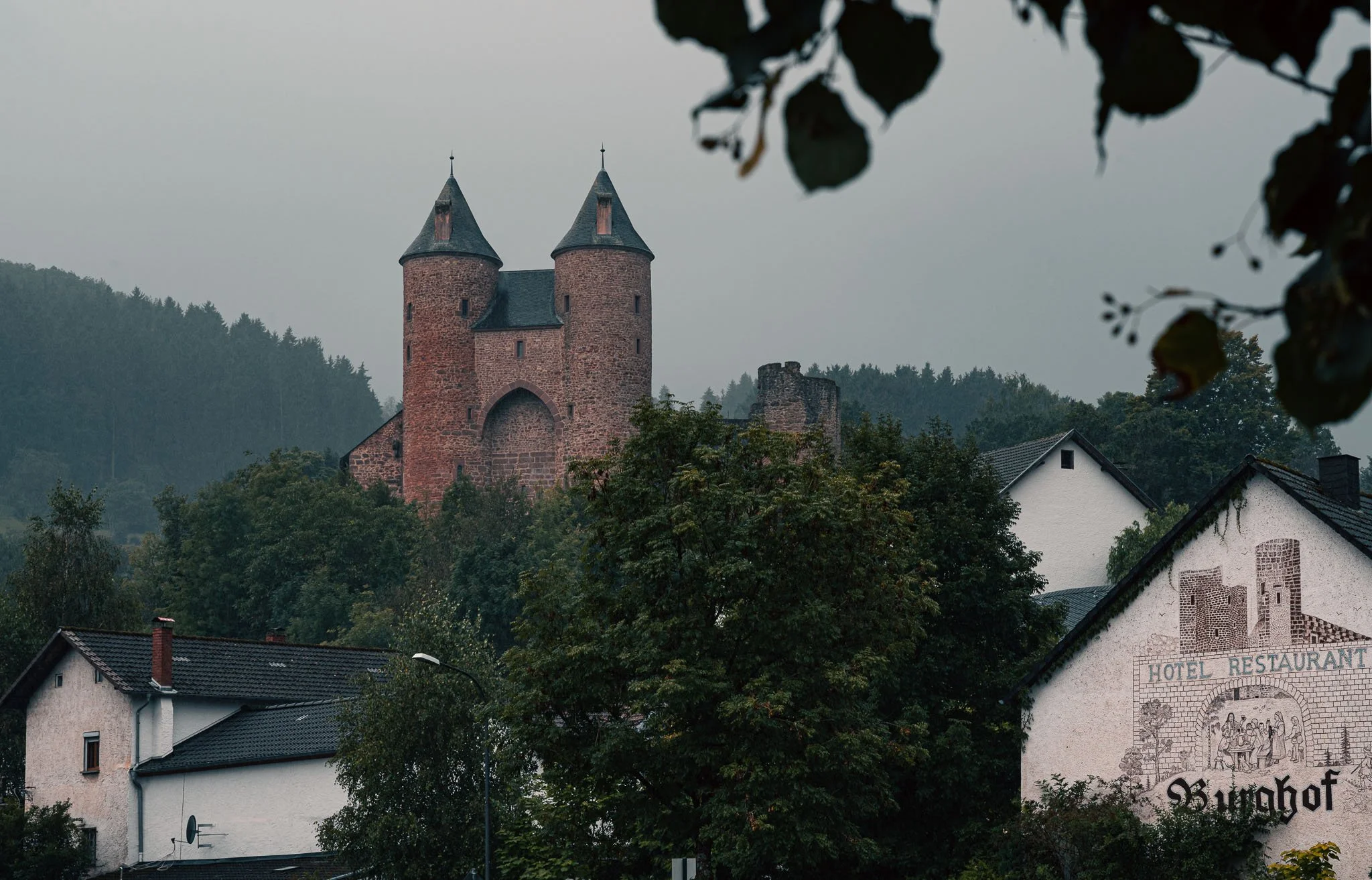
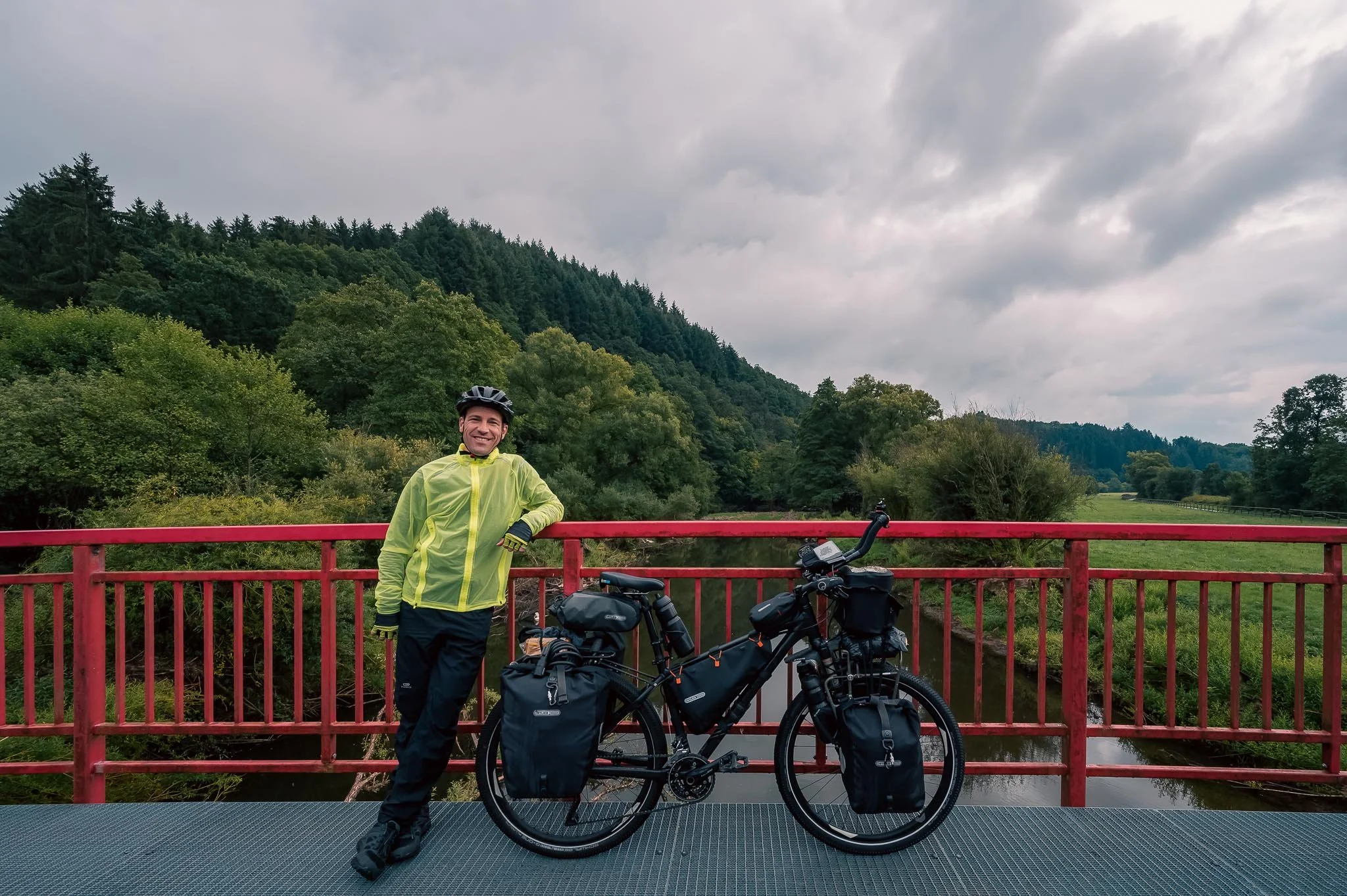
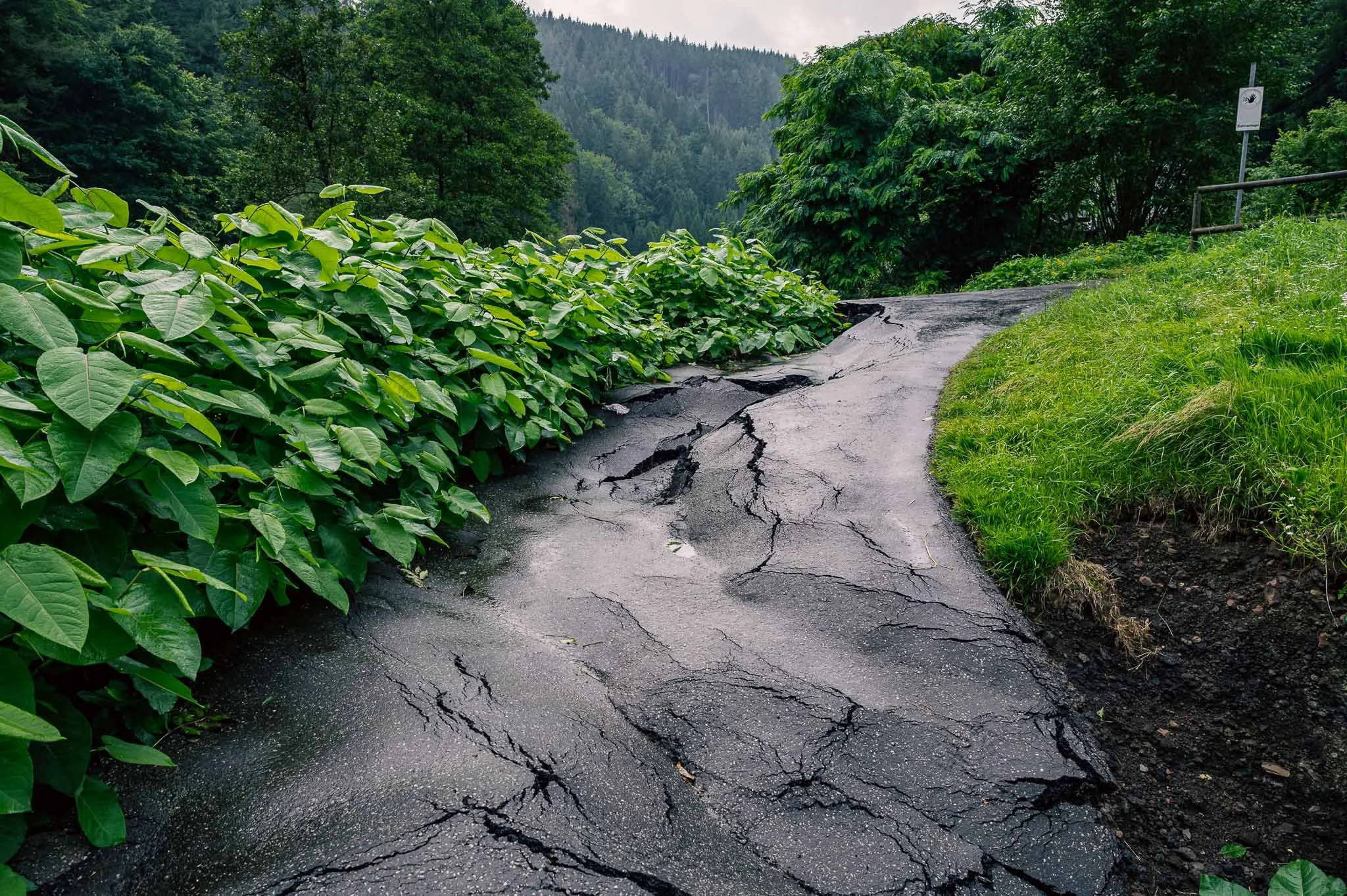
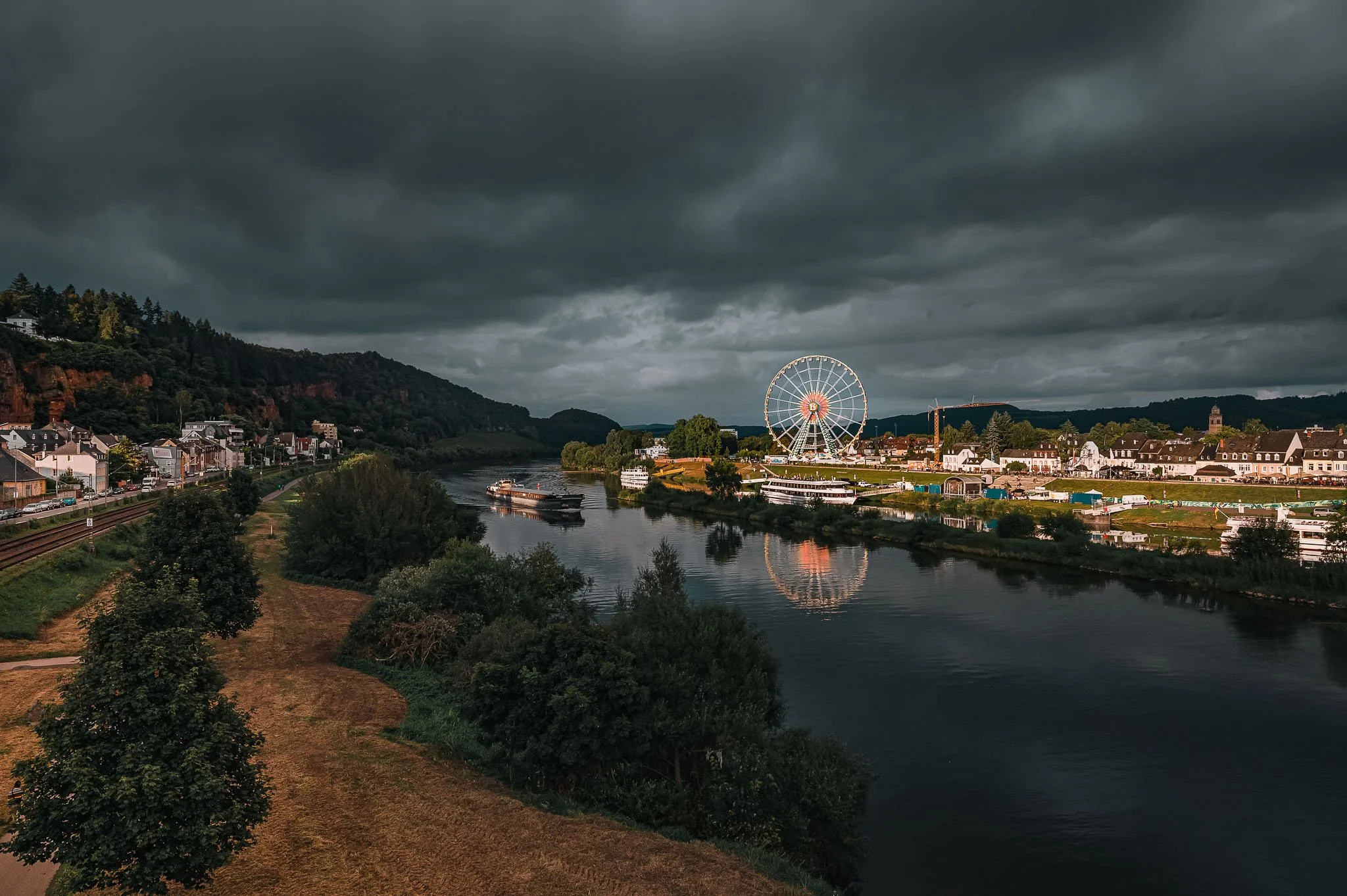
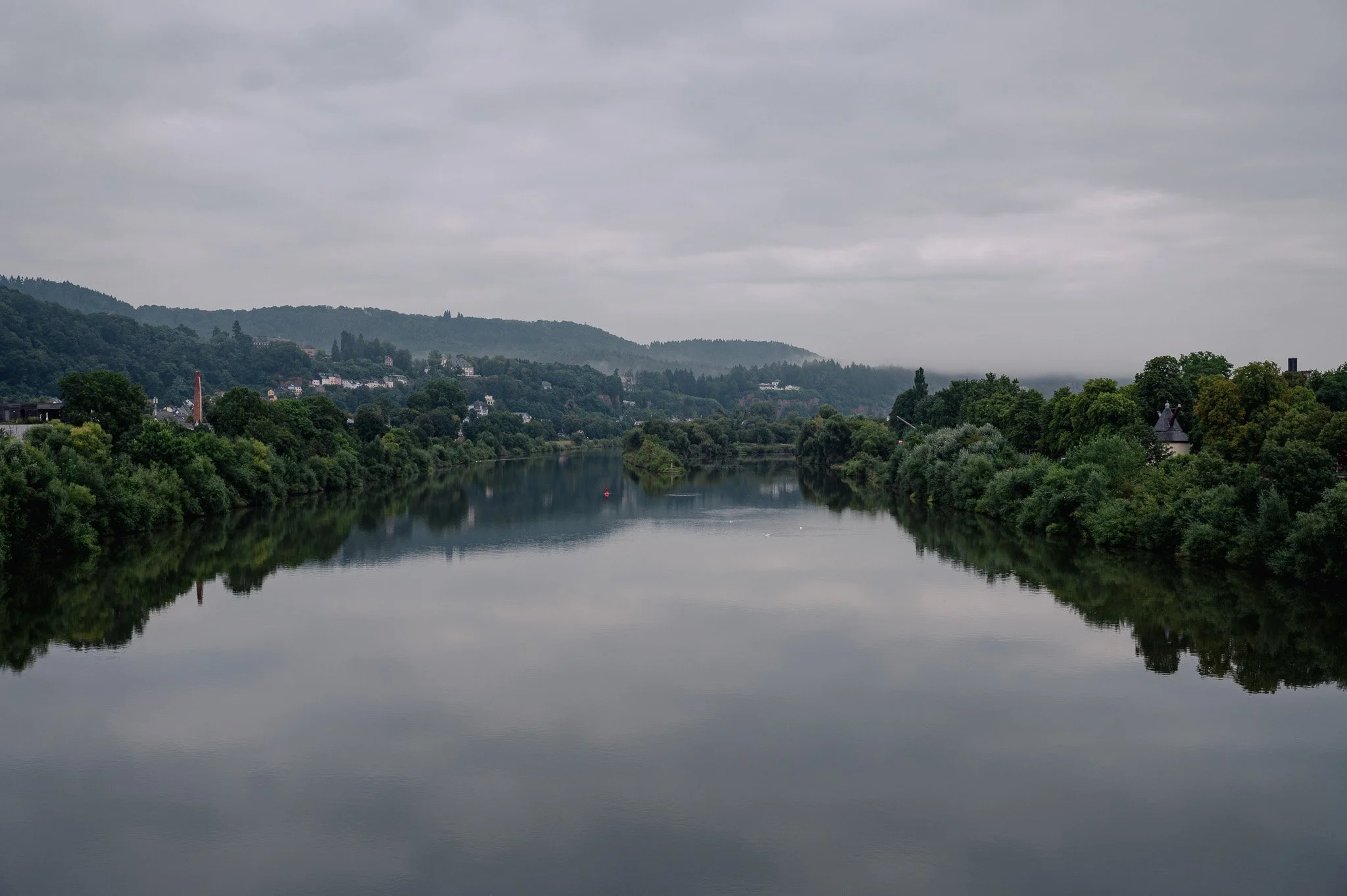
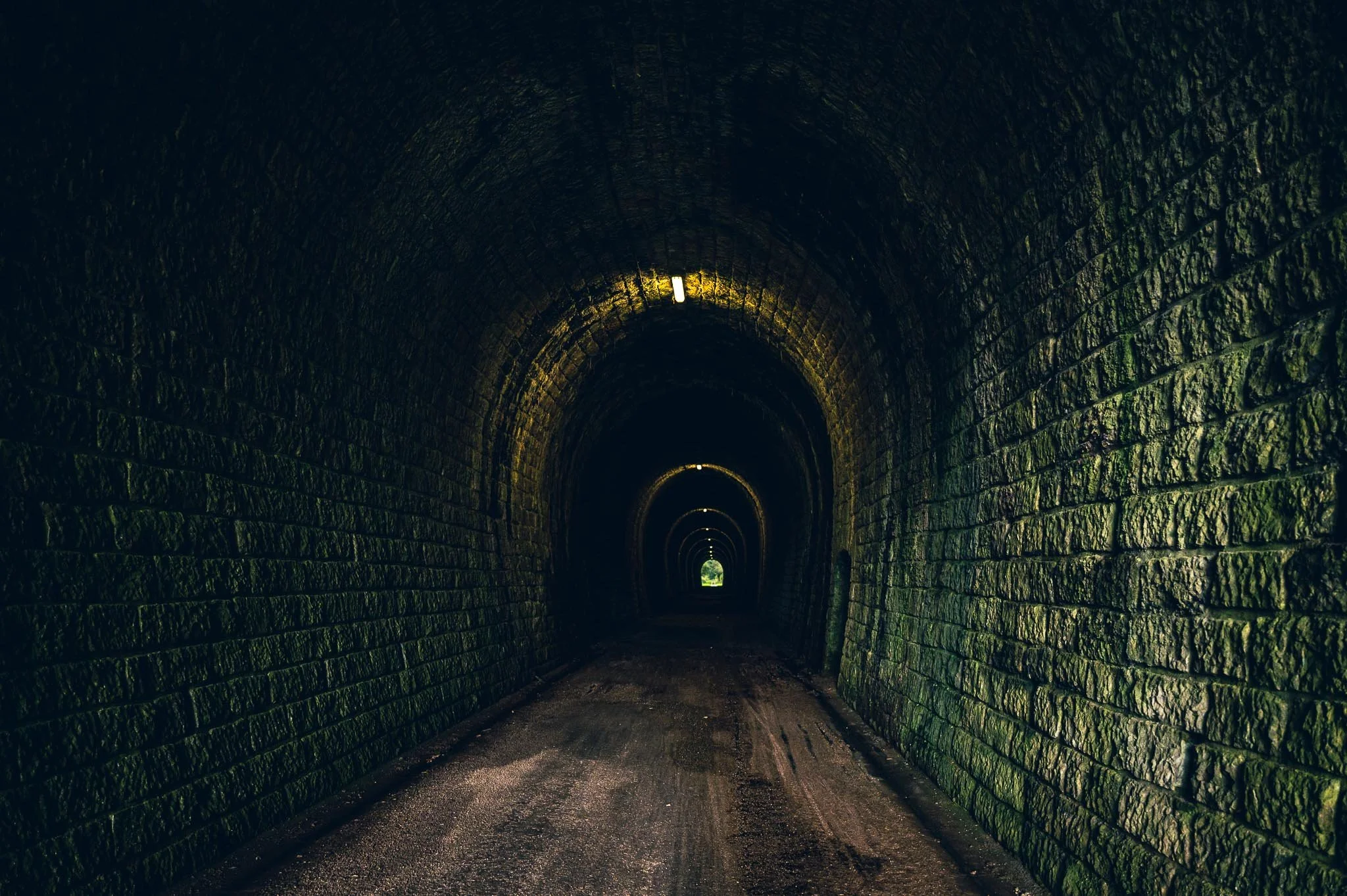
But once I was back home, the urge to tackle at least part of my original Southern route proved irresistible. The path needed only minor rerouting through Aachen, which gave me the chance to explore the Vennbahn - one of Europe’s longest cycling paths on a disused railway line. From Sankt-Vith in Belgium, I diverted to the Kyll Radweg, heading toward Trier. Along the way, the aftermath of July’s floods was still visible in many places.
France
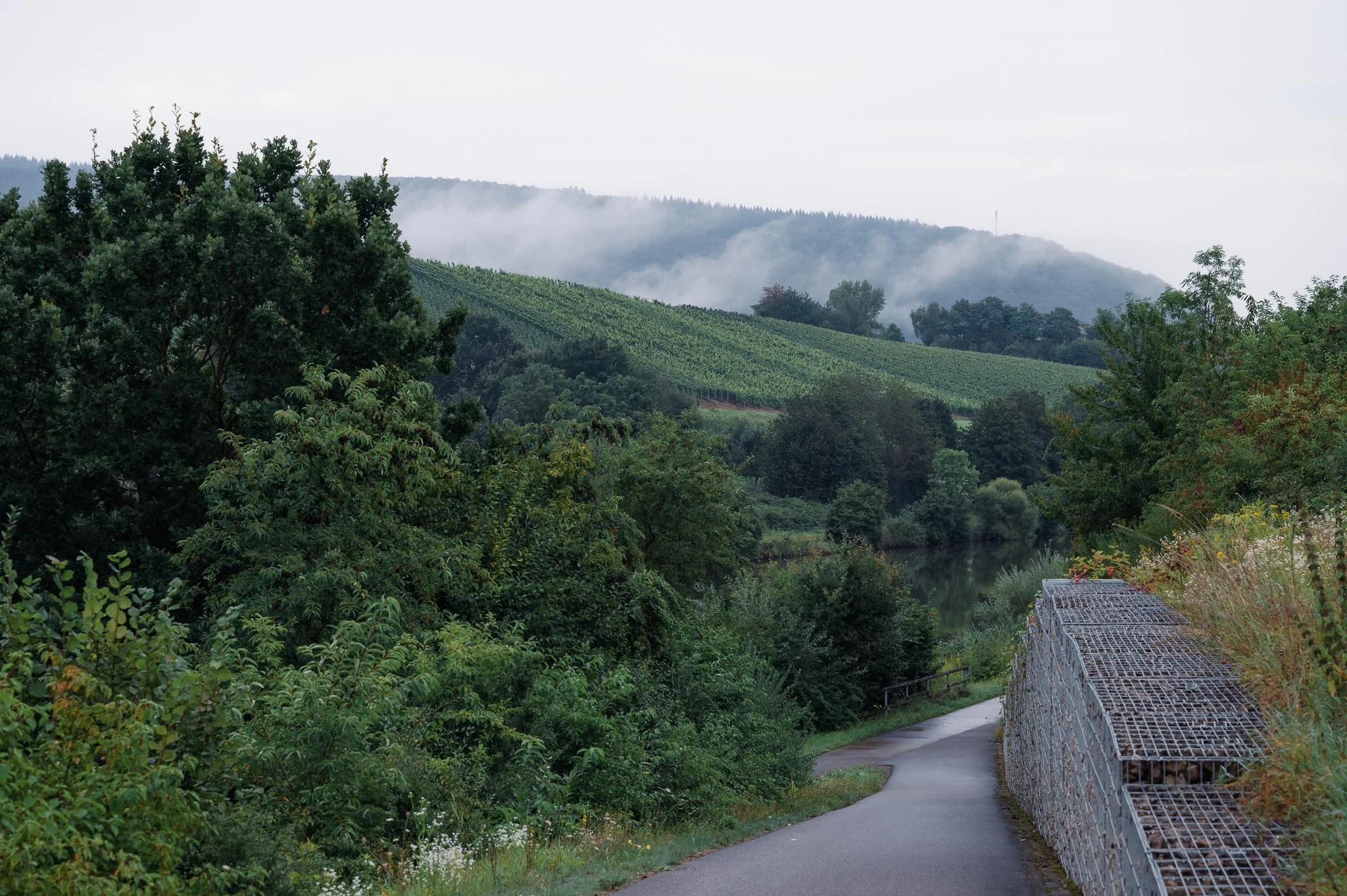
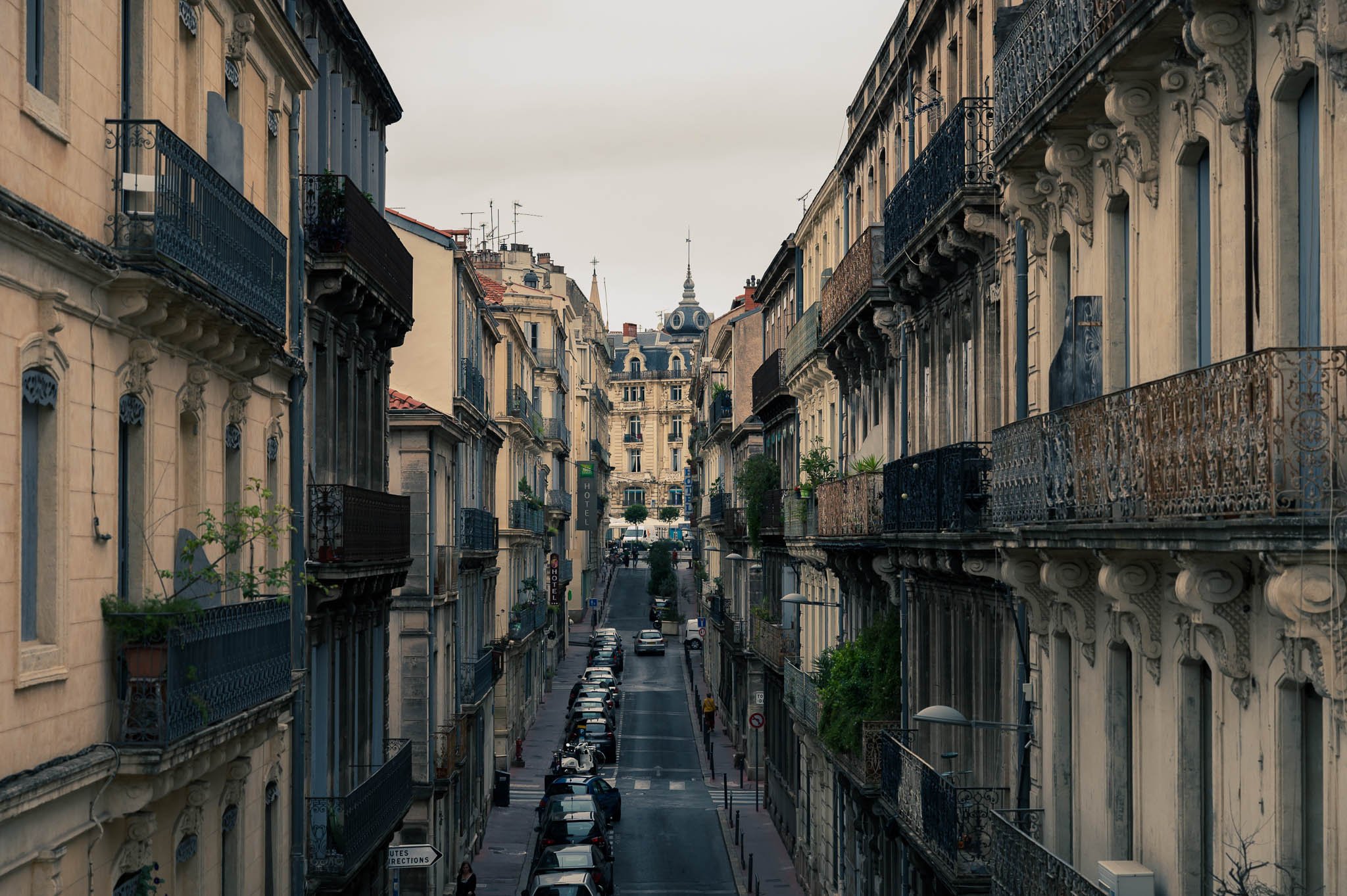
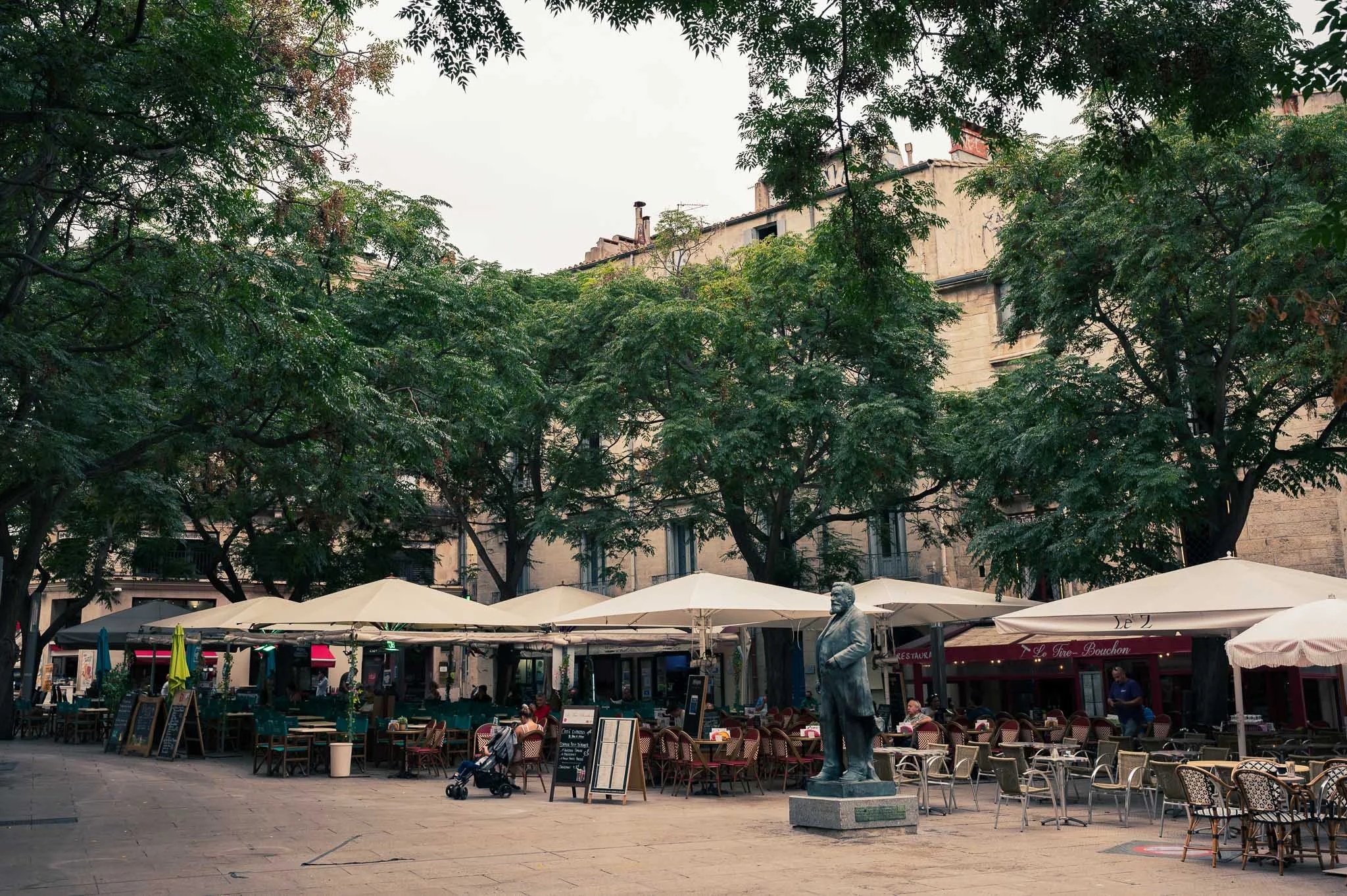
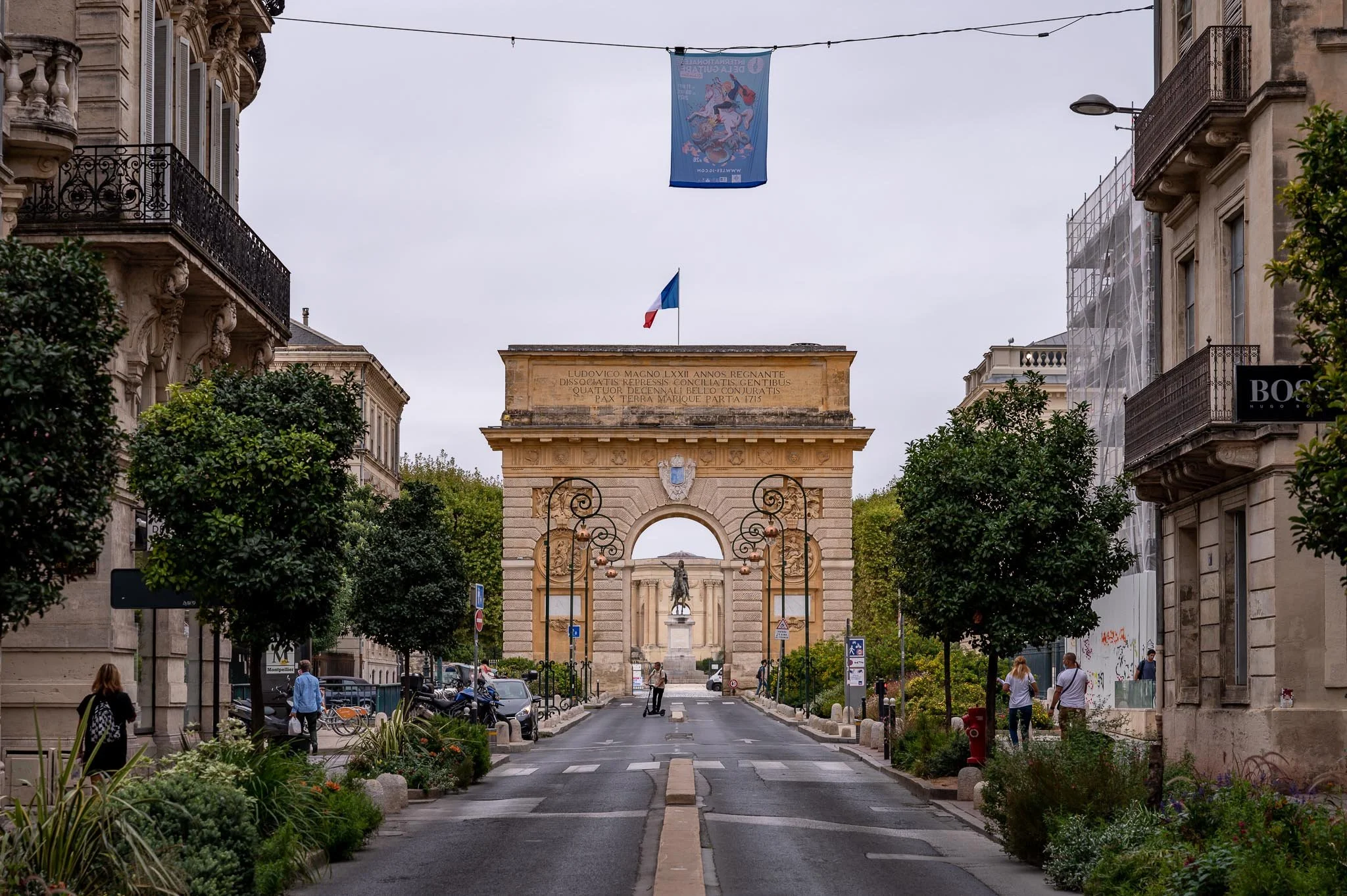
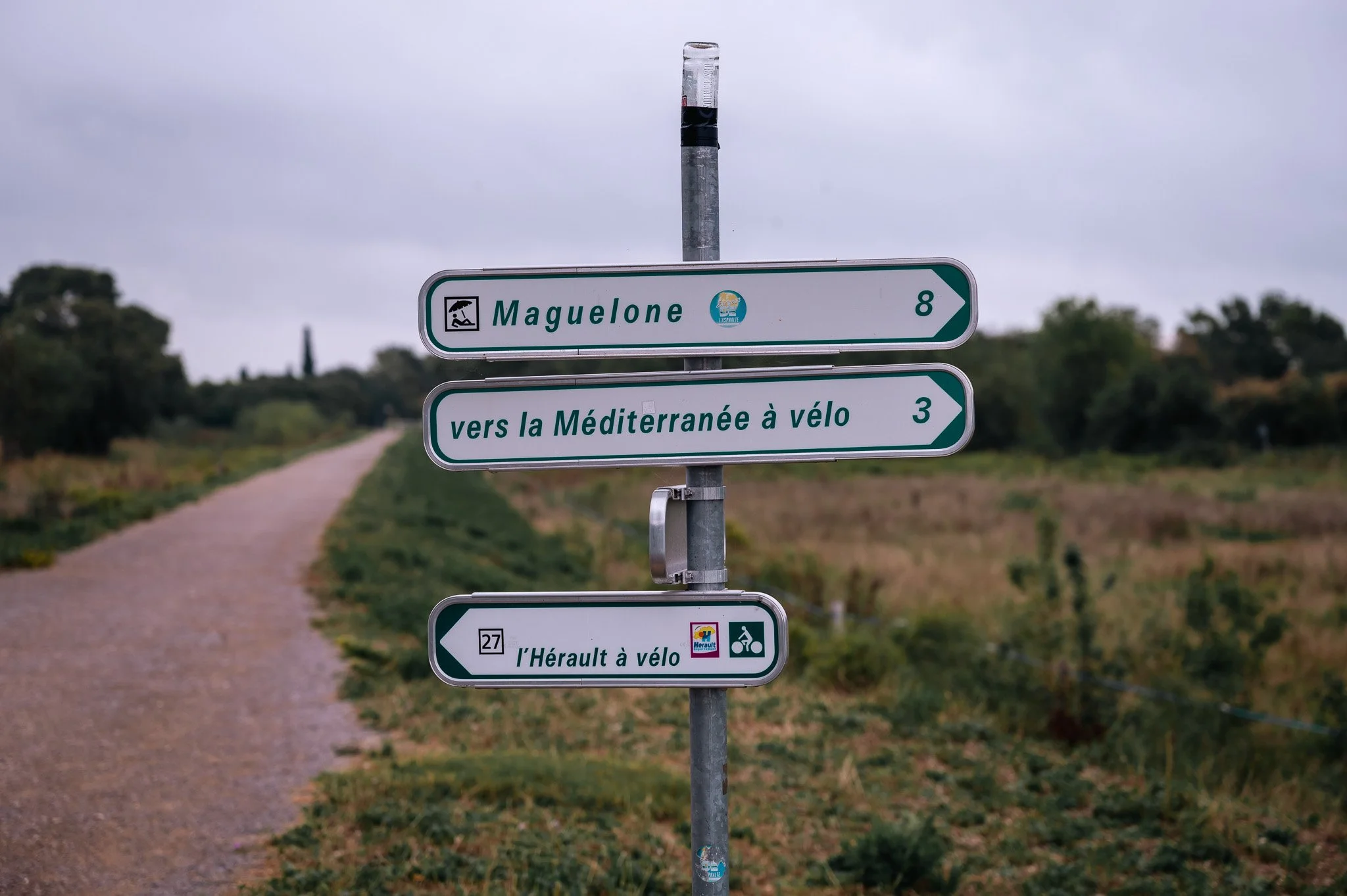
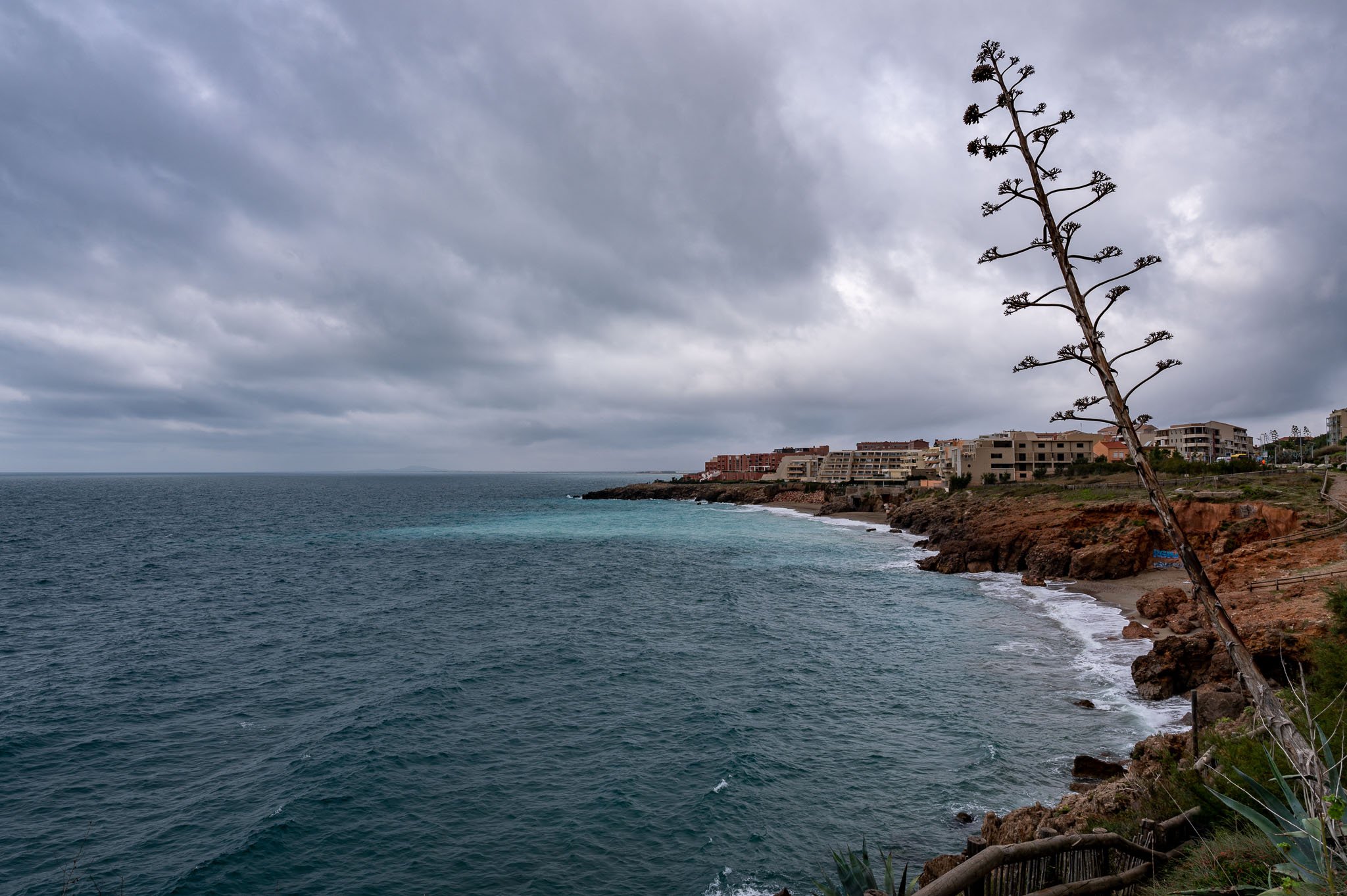
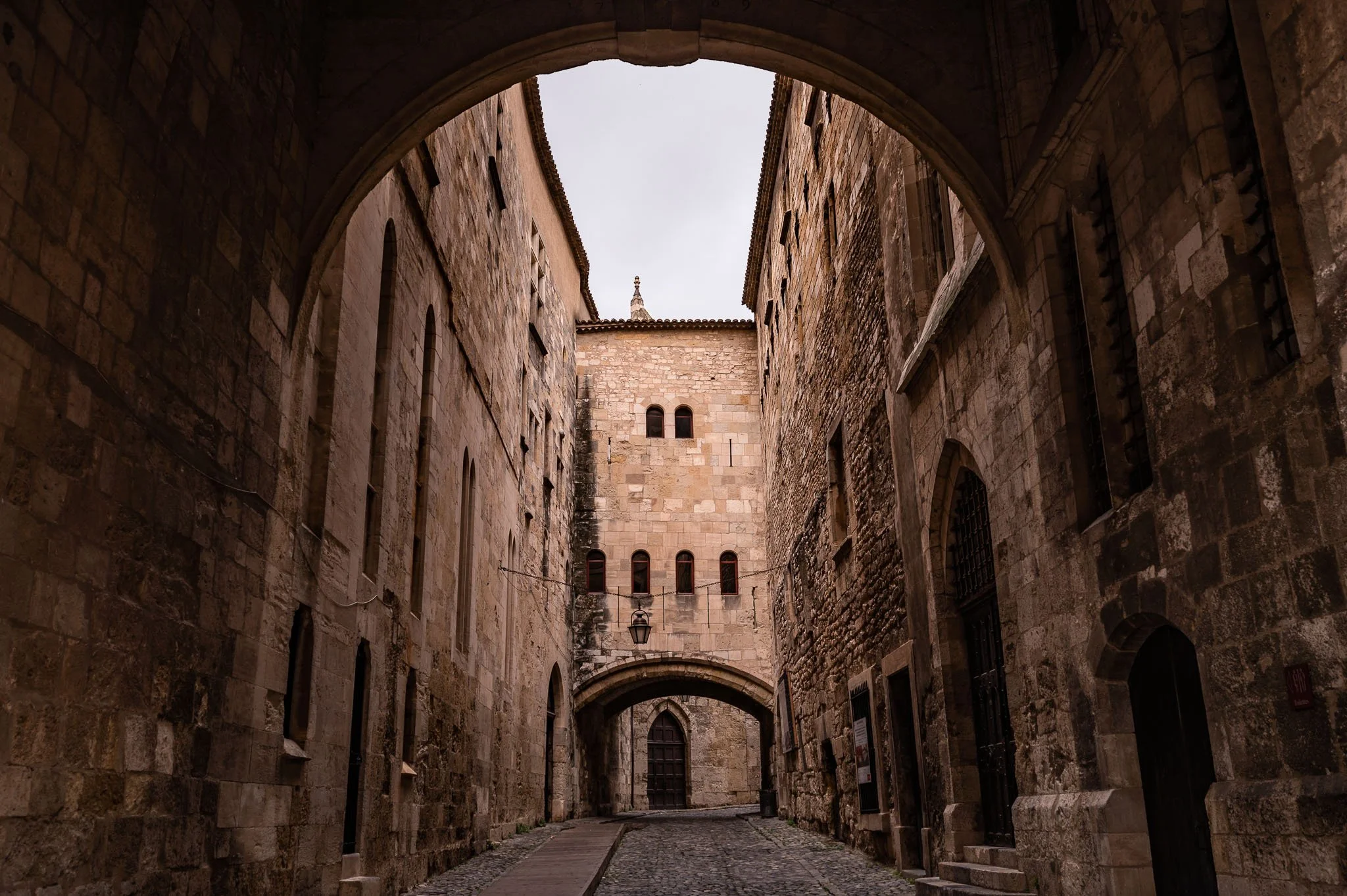
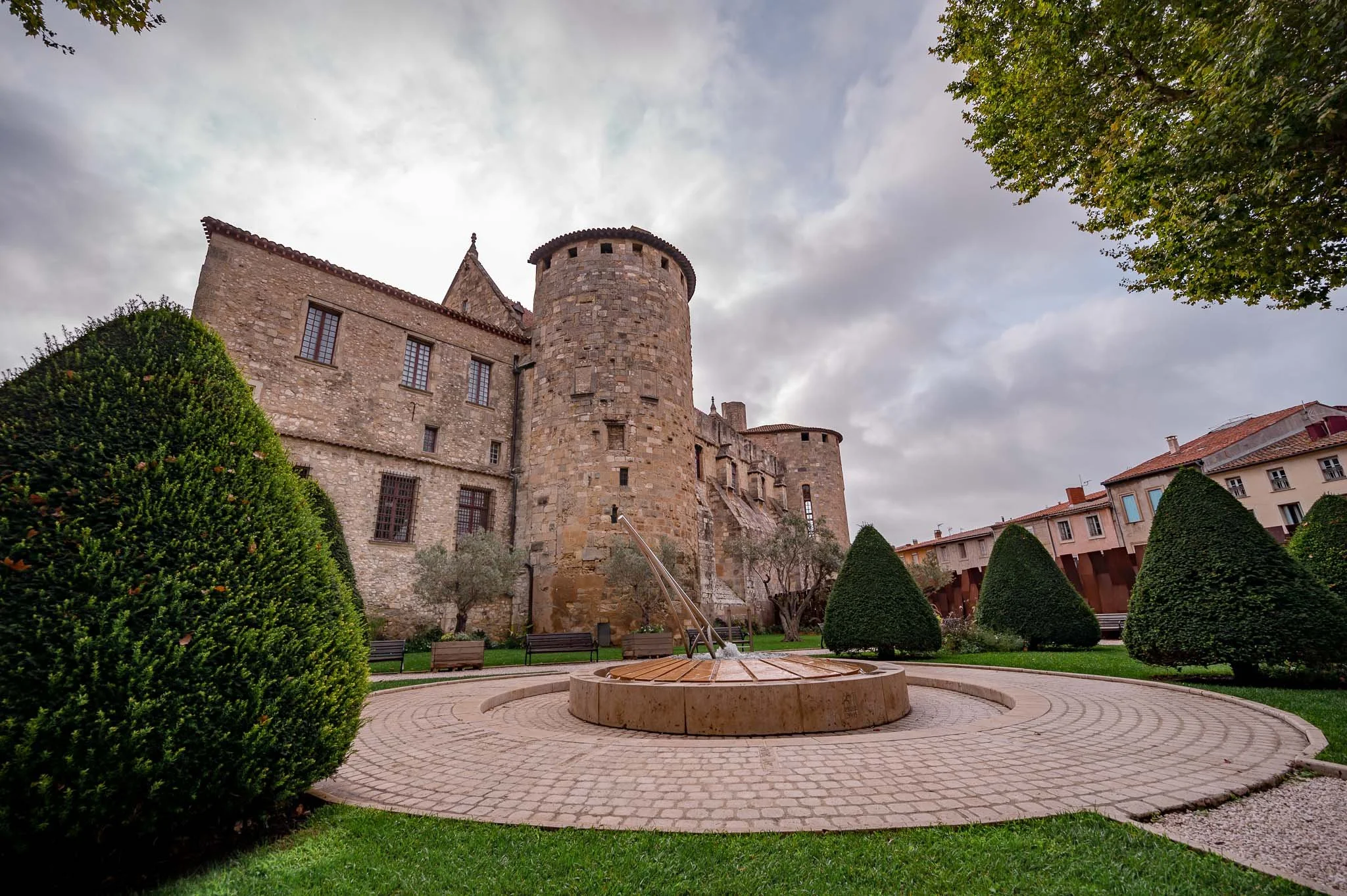
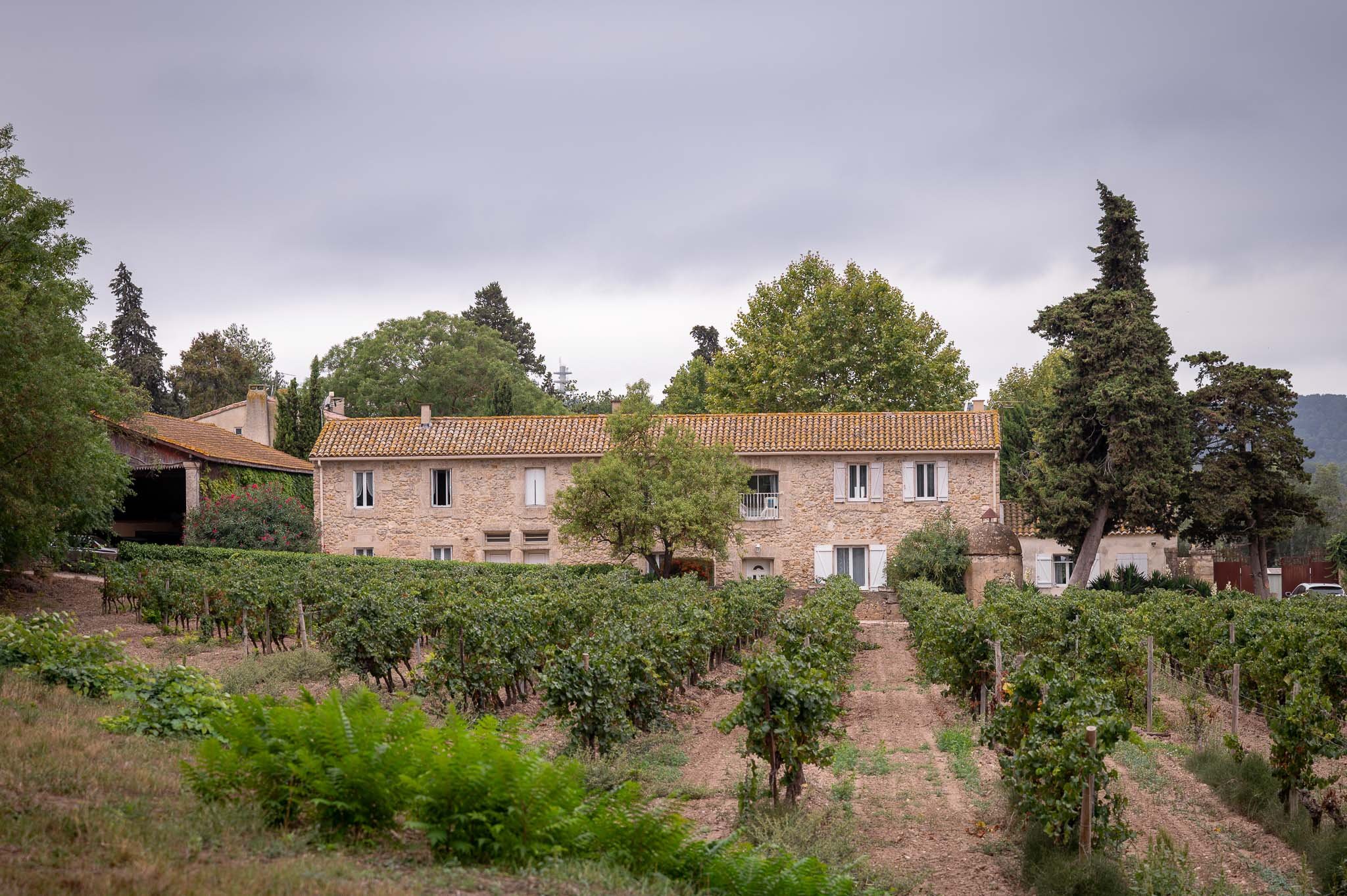
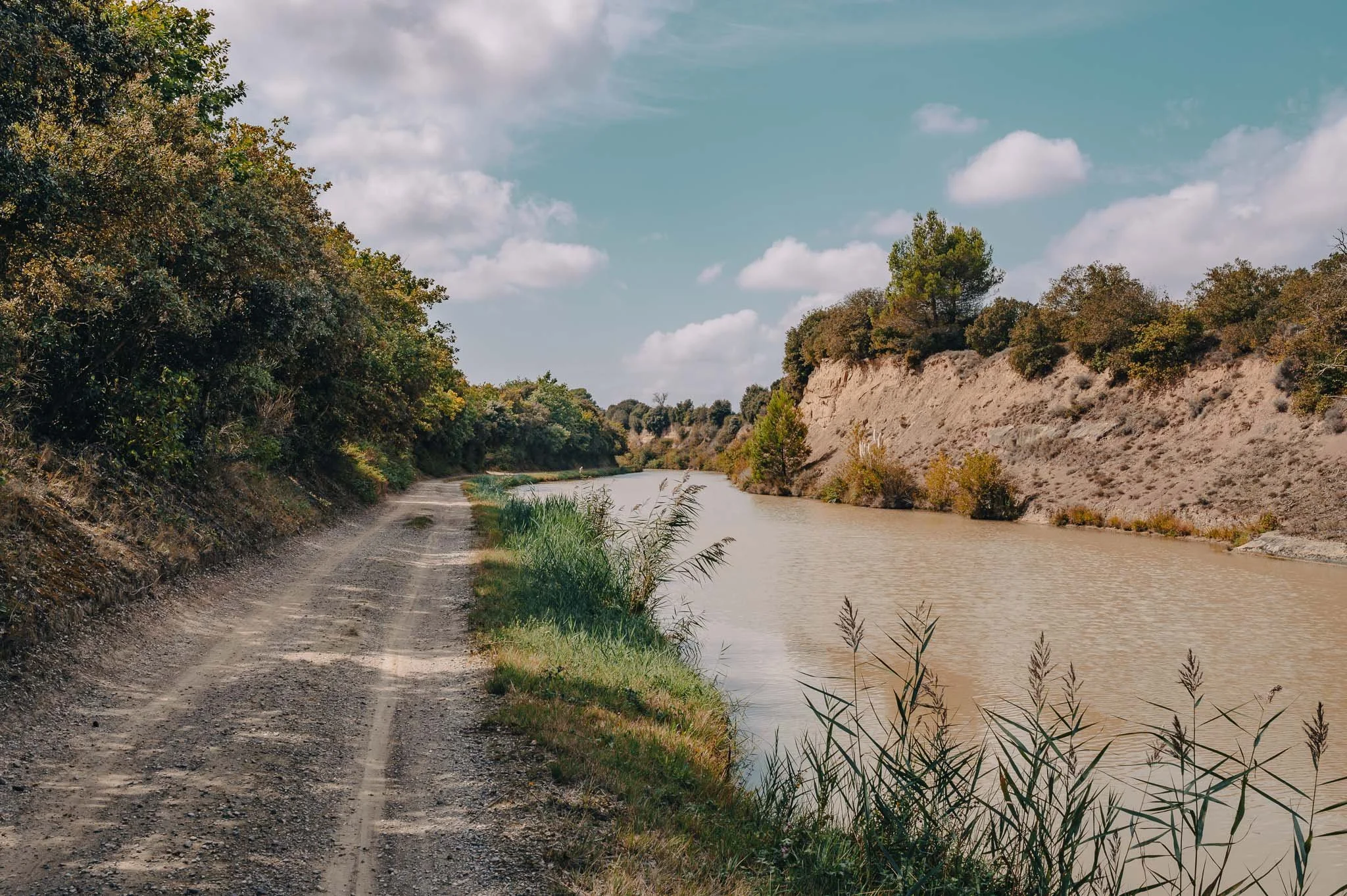
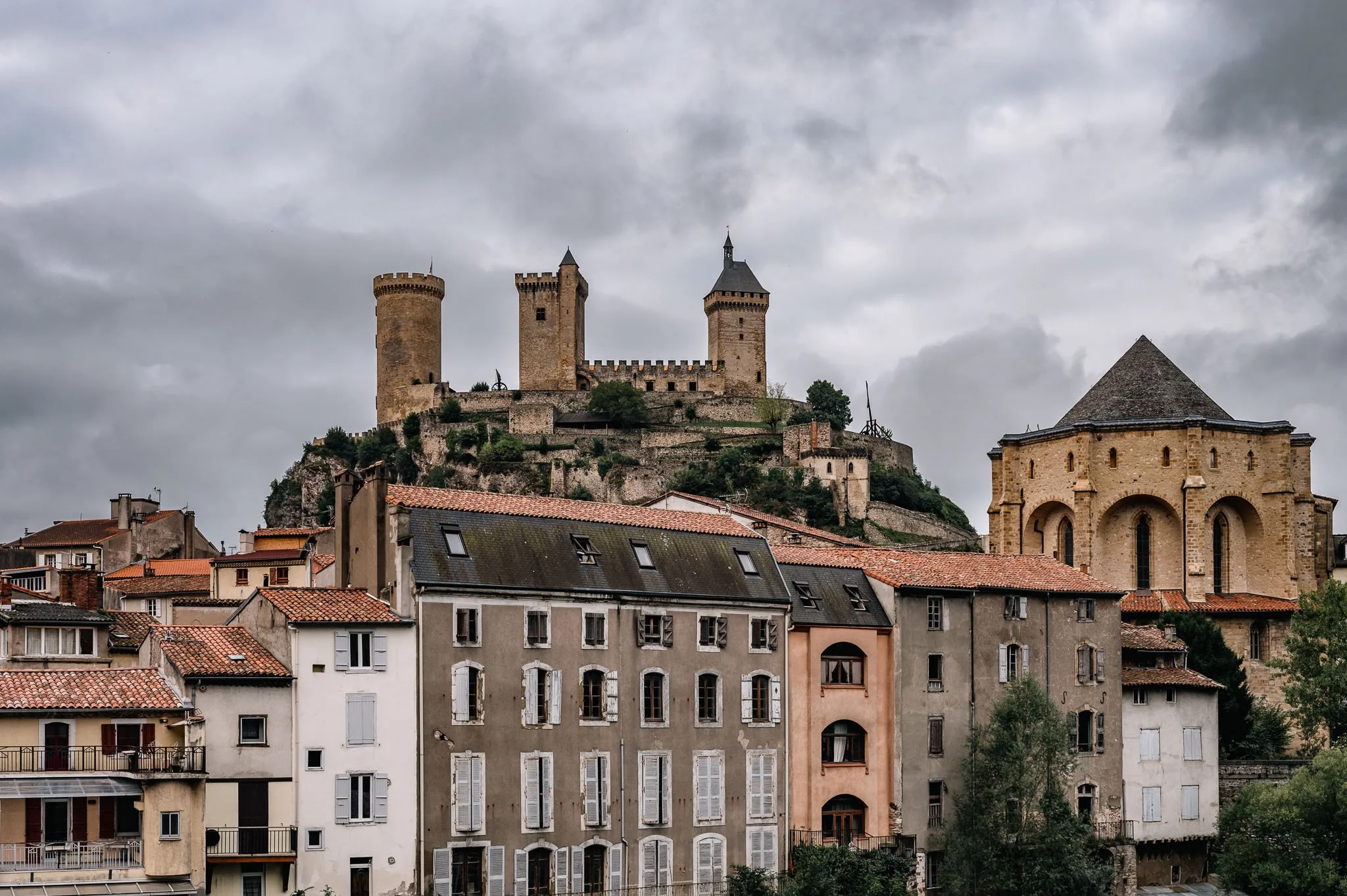
In Trier, I followed the Moselle and Saar Rivers, joining EuroVelo 5 to Strasbourg, France. From there, I continued along EuroVelo 5 to Mulhouse, cycling through the lush vineyards of the Vosges region. Transitioning to EuroVelo 6, I rode to Chalon-sur-Saône before turning southward to the ViaRhôna, which led me all the way to Avignon. At Beaucaire, I veered onto EuroVelo 8, passing through the Camargue toward Montpellier, Béziers, and Narbonne. There, I followed a section of the Canal du Midi before taking another turn toward Foix, near the Spanish border.
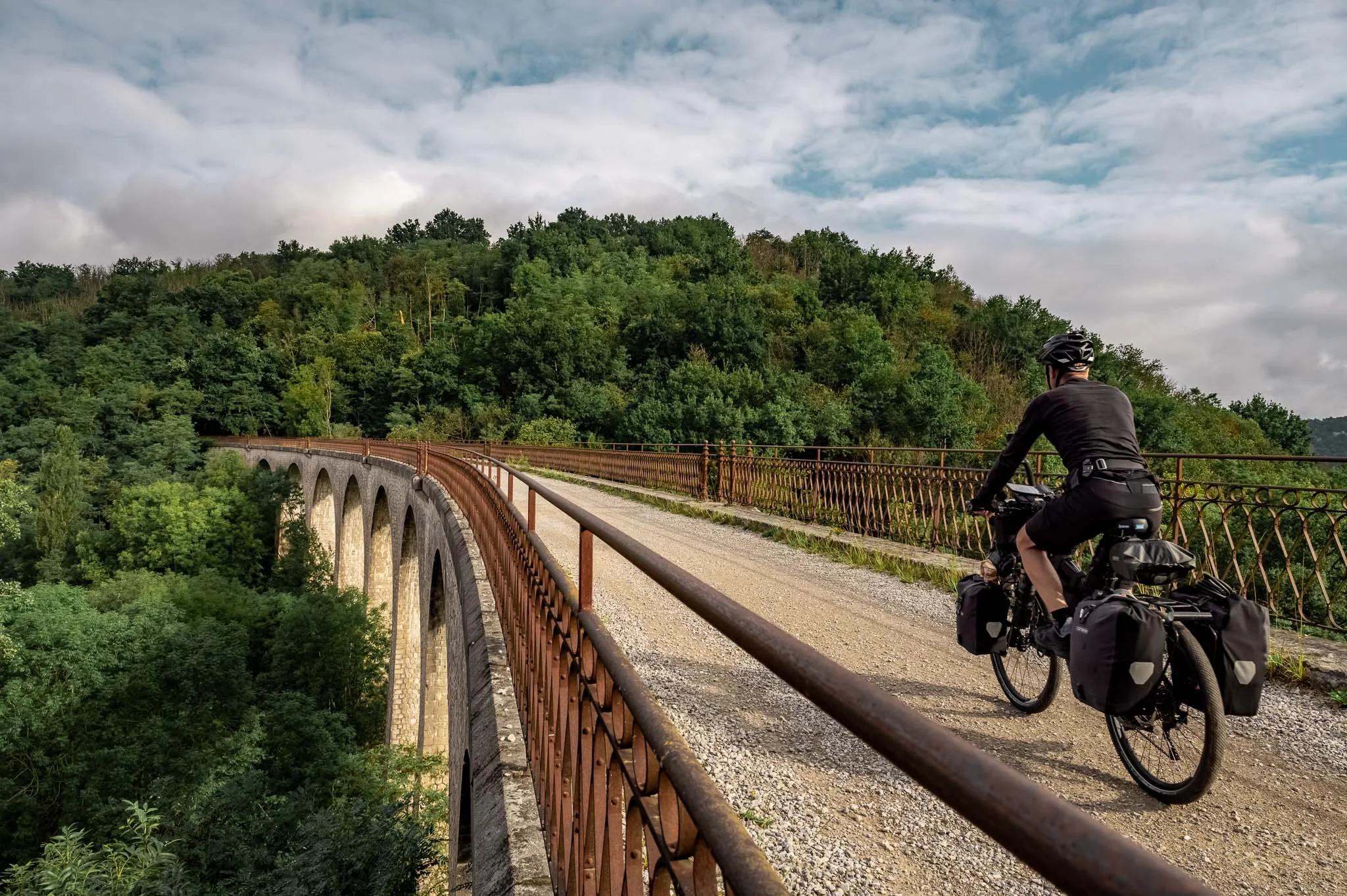
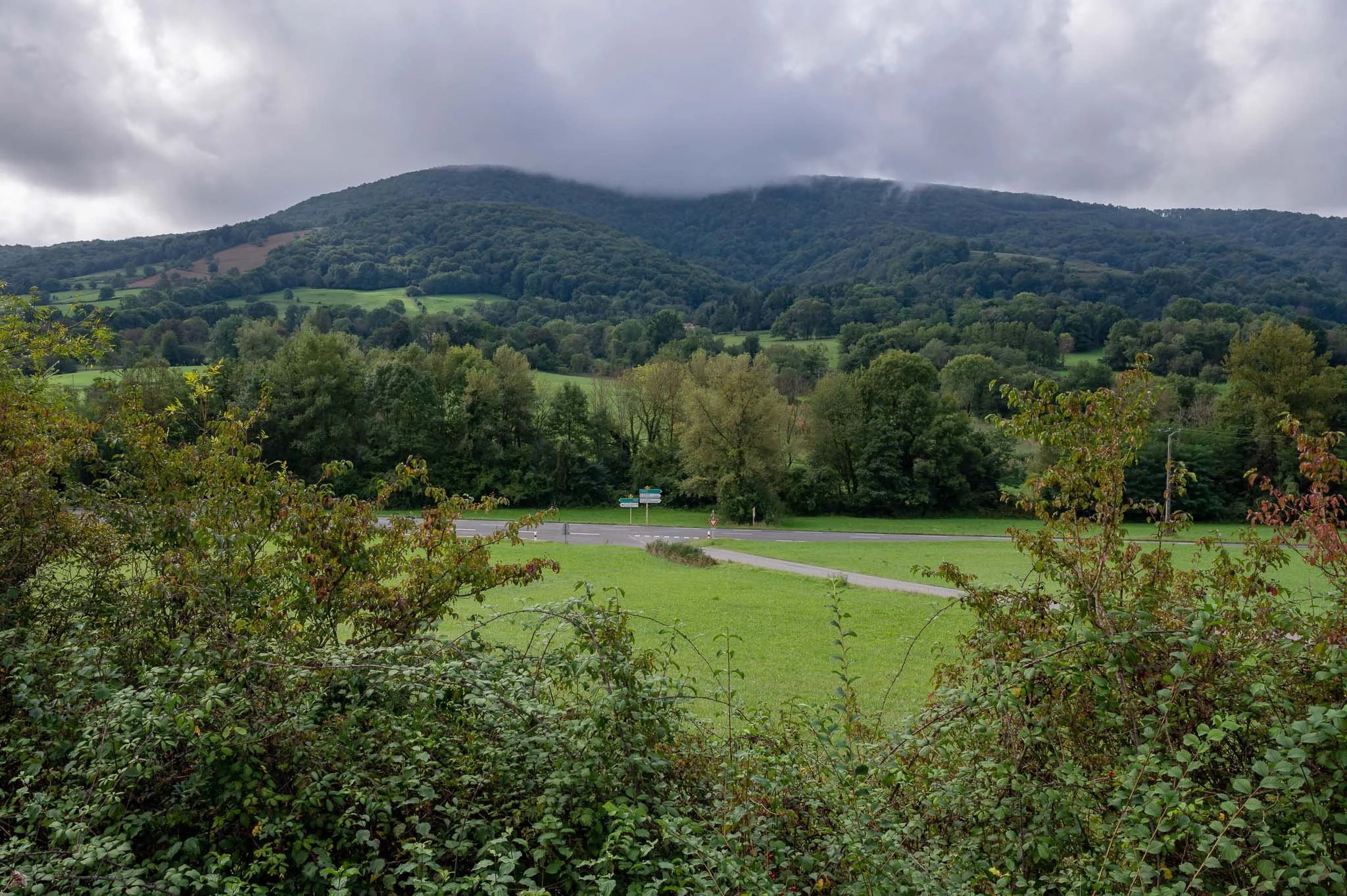
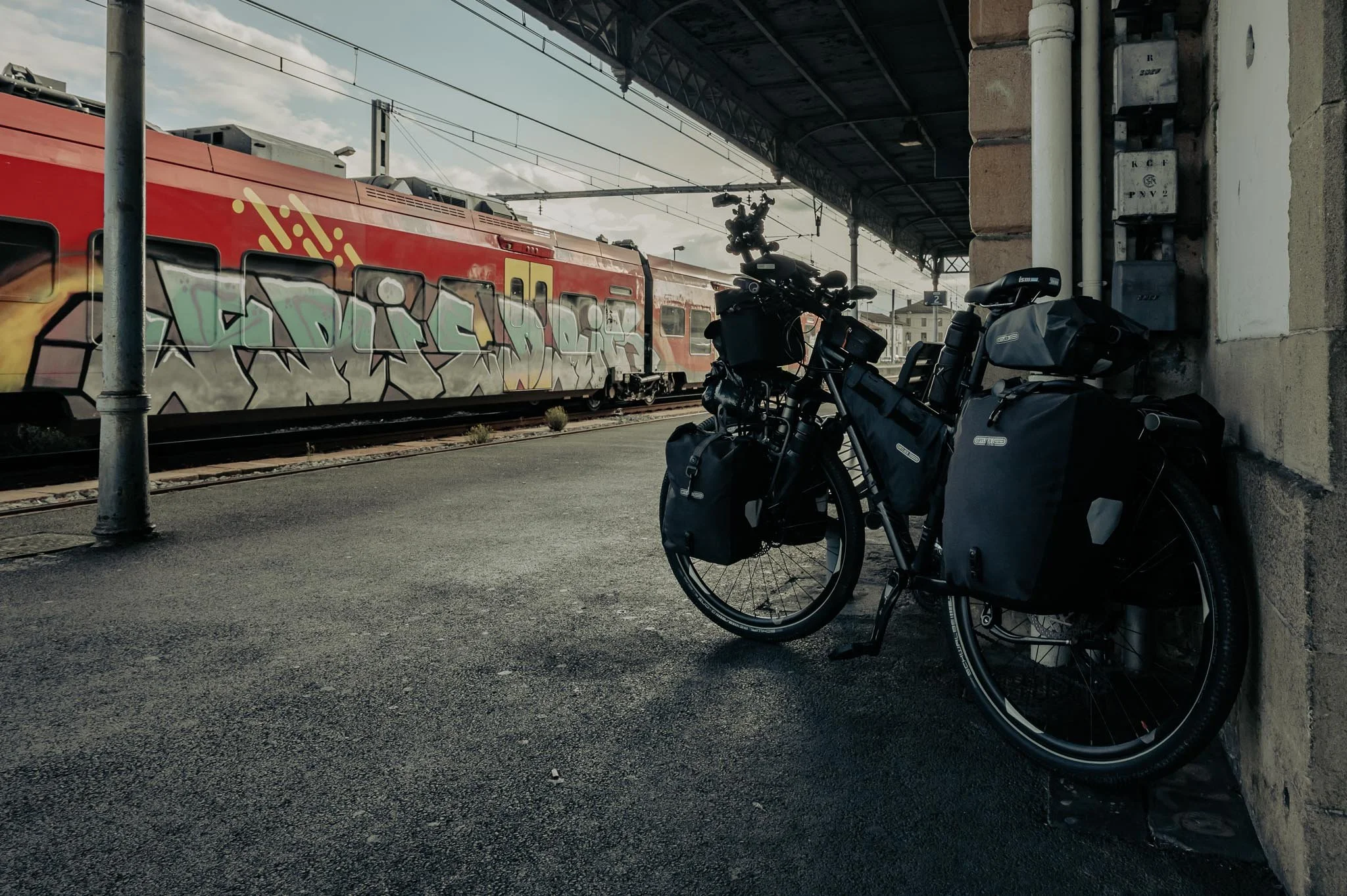
In Foix, I decided it was time to conclude my journey for the year. My final ride was along the beautiful Voie Verte, tracing the lower slopes of the Pyrenees to Saint-Girons. From Saint-Gaudens, I and my bike boarded a train to Toulouse Matabiau, and the next morning, an Intercité train whisked me back to Paris Gare d’Austerlitz in just over seven hours. A FlixBus brought me back to the Netherlands the following day, completing my journey.
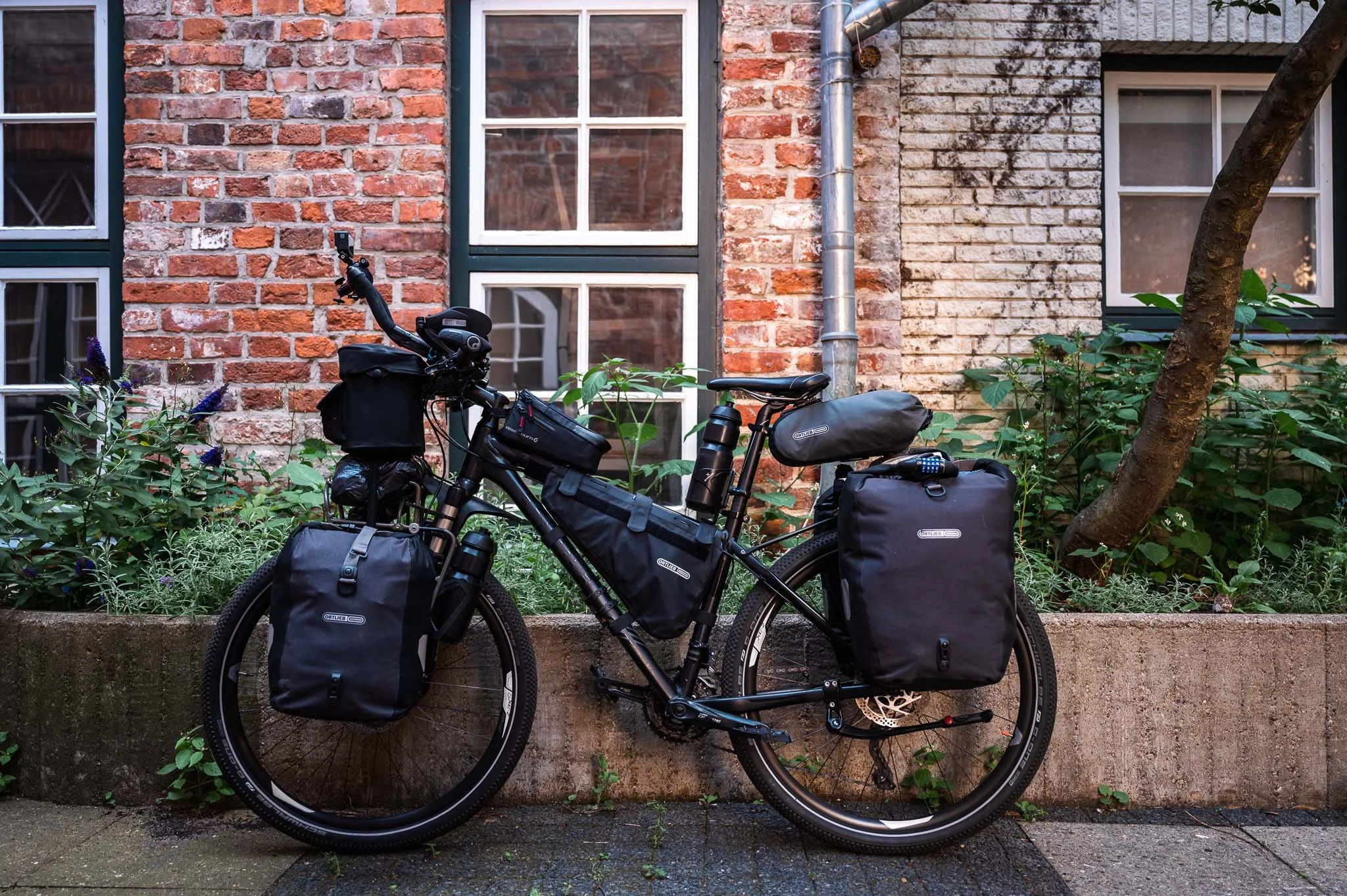
In total, GiantDetourEU spanned six weeks, over 4,000 kilometers, and five countries: the Netherlands, Germany, the Czech Republic, Belgium, and France. It was a spectacular ride filled with unforgettable landscapes and new discoveries. I can’t wait for the next adventure to begin.